The Islands, Briefly
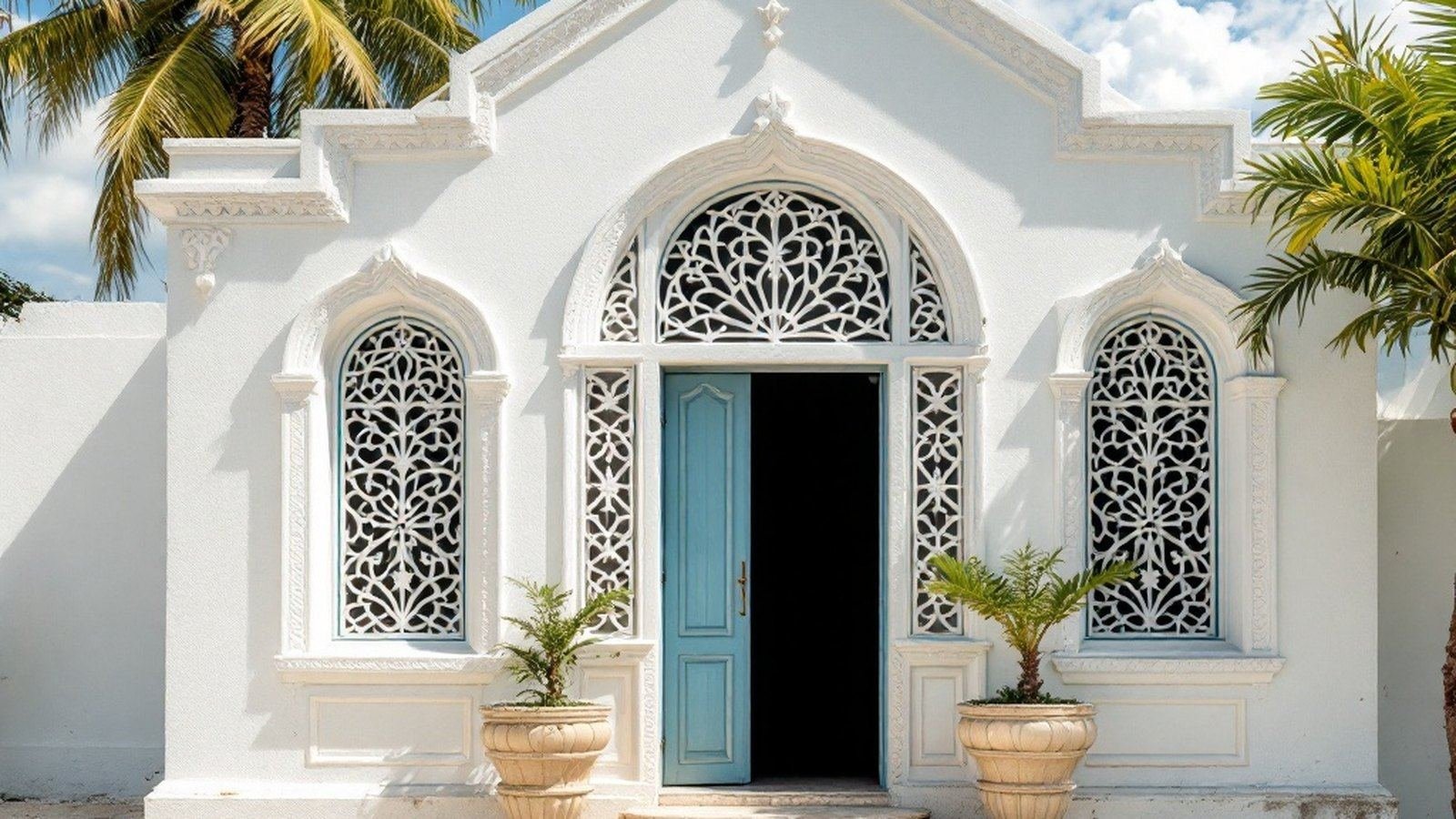
The Maldives is an archipelago of roughly a thousand islands scattered across the Indian Ocean, lying southwest of India and Sri Lanka. By land area it is the smallest country in Asia, yet one of the most geographically dispersed nations on earth. Malé, the capital, sits at the heart of the chain and holds a large share of the country's 500,000-plus residents — a dense, working city that most visitors see only from a taxi window en route to a seaplane.
What draws people here is never one thing alone: the clarity of the water, the coral beneath it, the pace of island life, and a warmth from locals that feels entirely genuine rather than arranged for your benefit.
Five Things Worth Your Time
Malé — more than a transit stop. Most visitors pass through the capital without pausing, and that is a genuine loss. The Hukuru Miskiy — the Old Friday Mosque, built in 1656 from coral stone — is among the finest examples of traditional Maldivian craftsmanship anywhere in the archipelago. Its exterior panels carry intricate coral-stone carving; the interior is cool, dim and quiet in a way that no resort spa can manufacture. Sultan's Park and the National Museum, which together occupy the former royal palace grounds on the same block, fill in the history that no resort welcome briefing will touch. Give Malé a half-day at minimum.
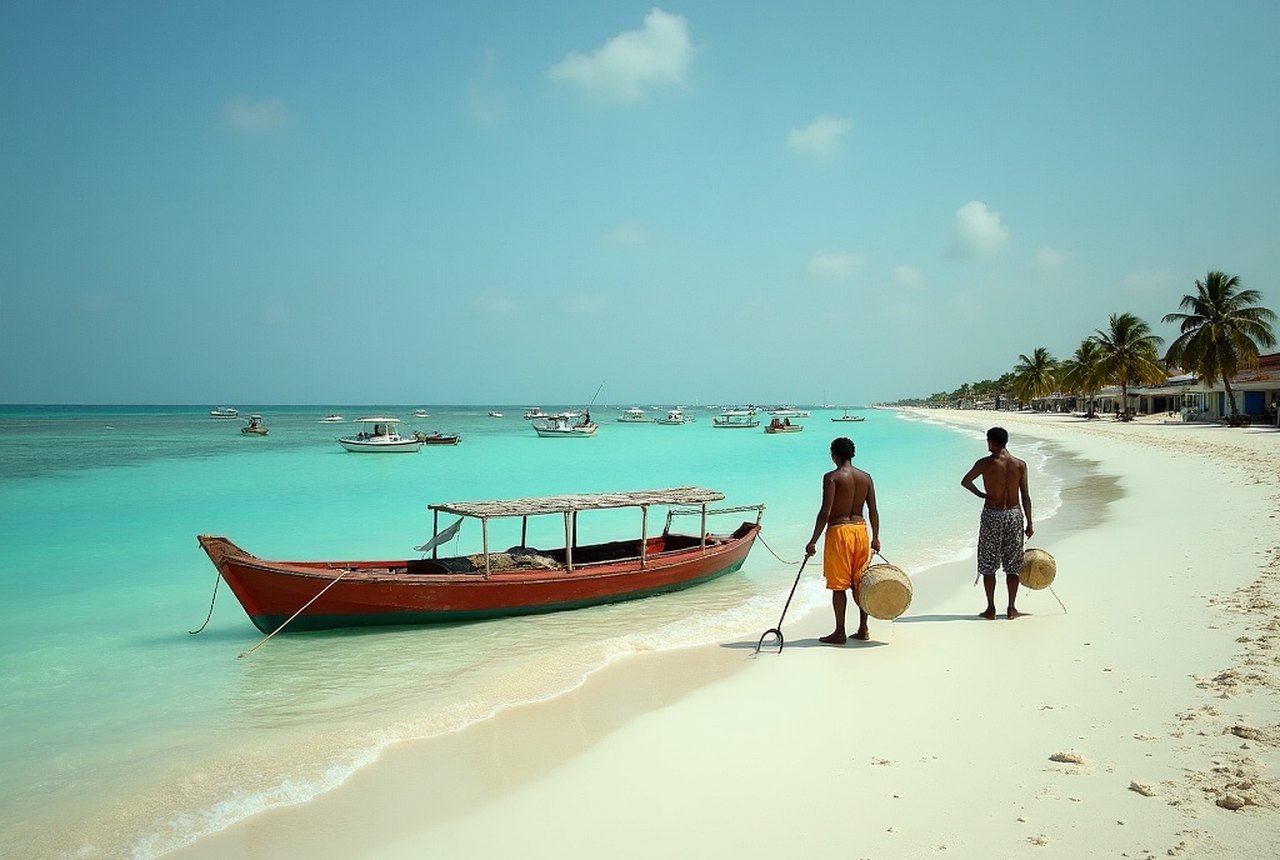
Mahibadhoo and the quiet southern islands. Mahibadhoo, the administrative capital of South Ari Atoll, makes a practical and unhurried base for day trips to nearby inhabited islands. The beaches here are genuinely clean — local communities organise regular clean-ups — and the snorkelling is solid without a resort price tag anywhere in sight. These are the kinds of islands where someone will offer you a coconut before you have worked out where you are going.
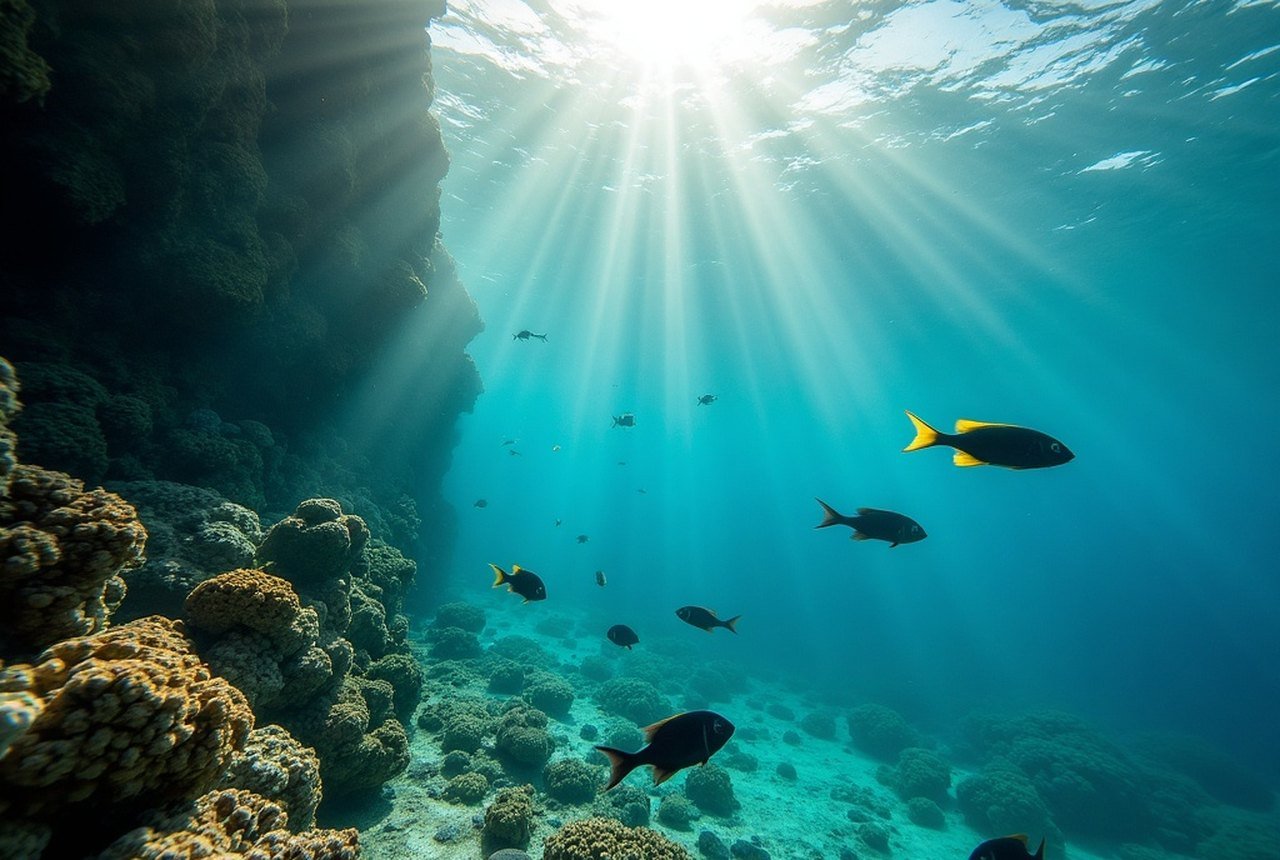
Banana Reef. One of the most celebrated dive sites in the Indian Ocean, Banana Reef is a protected marine area whose coral growth supports a remarkable range of sea life. Even a short snorkel here makes immediately clear why the site has the reputation it does. Divers with experience will find the walls and overhangs endlessly interesting; beginners will be perfectly happy at the surface. Come early in the day if you want the water to yourself.
Water sports across the atolls. With this much open ocean, water skiing and parasailing are available across the island chain. If you arrive from somewhere landlocked, the sheer scale of what is on offer takes some adjusting. Most inhabited islands have local operators; prices are a fraction of what resorts charge for identical equipment and identical water.
Eating in Malé. The capital has a genuine local food scene that operates entirely on its own terms. Places like Seagull Café and Irudhashu Hotaa serve Maldivian staples — mas riha, roshi, hikimas broth — rather than resort-friendly approximations of them. Outdoor seating is common, the conversation at the next table is free, and meals run roughly 90 to 350 MVR depending on what you order and where you sit. That is a fraction of what the same appetite costs on a resort island.
A Few Practical Notes
Accommodation ranges from full-service resorts — starting at several hundred US dollars per night at the modest end — to locally run guesthouses that cost considerably less and put you in the middle of actual island life rather than beside it. The guesthouse model has expanded significantly across the atolls over the past decade, making it genuinely possible to travel the country on a modest budget.
Getting between islands means ferries. Each runs a fixed route on a published schedule; resort staff or any local will point you to the right one without fuss. It is inexpensive, straightforward, and arguably the most honest way to understand how the country actually moves — the rhythm of the ferry, the fishermen's catch coming aboard at a small jetty, the call to prayer drifting across the water as you pull into a new harbour.
The Maldives rewards travellers willing to look past the overwater bungalow brochure. The real texture is in the islands themselves — in the coral-stone lanes of Malé, the clean beaches of the outer atolls, the food, the people, the water.