A Place Apart
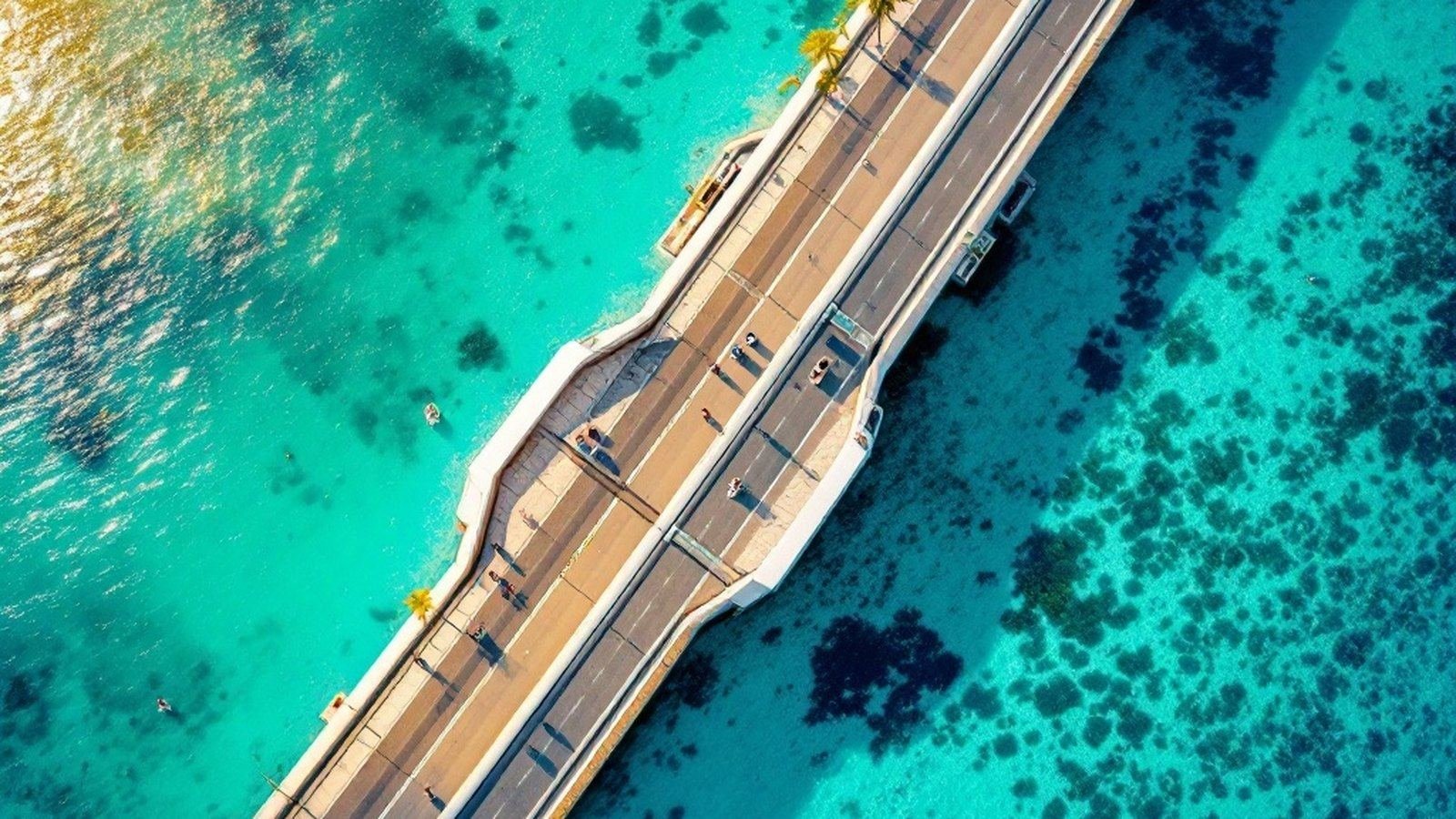
Addu Atoll sits at the southernmost tip of the Maldivian archipelago, almost touching the equator. That geography alone sets it apart: while most atolls share the same flat coral horizon, Addu's islands are connected by a causeway road — the Addu Link Road — threading through Hithadhoo, Maradhoo, Feydhoo and Hulhumeedhoo across a wide, sheltered lagoon. On almost every other inhabited island in the Maldives you walk from one end of land to the other in minutes; here you can ride a motorbike for kilometres between neighbourhoods, past gardens and breadfruit trees, with the lagoon gleaming on both sides.
Then there is the dialect. Addu-beys, the speech of the southern atolls, diverges from standard Dhivehi so markedly that Malé residents sometimes struggle to follow a fast conversation. The vocabulary pulls in different directions — some words have closer echoes in Sri Lankan Sinhala, others in the seafaring Arabic that drifted up from Indian Ocean trade routes. Linguists regard it as one of the most distinctive regional varieties in the archipelago, a living record of Addu's long history of relative isolation from the political centre in the north.
The British Chapter
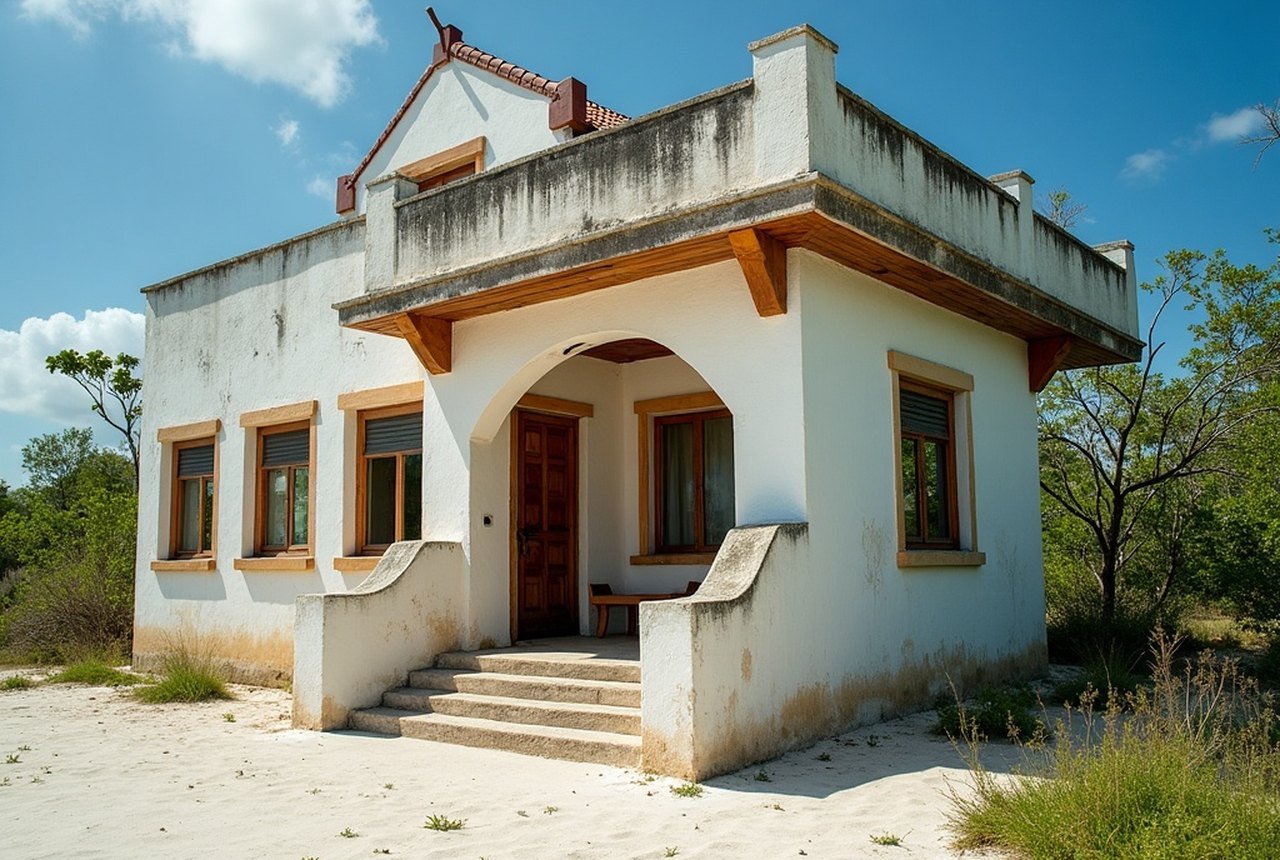
No history of Addu is complete without the RAF. During the Second World War, Britain established a significant military presence here, and the base at Gan — in Addu's southernmost reaches — grew into one of the Royal Air Force's most strategically placed stations in Asia. The British remained at Gan until 1976, and their decades-long tenure left marks that persist: the long runway that became Gan Airport, buildings repurposed as a resort, and a generation of Adduans who worked alongside British servicemen and acquired a functional fluency in English long before it became common in the north. Older residents still carry that history lightly, with a matter-of-fact pride.
The British presence also fed a streak of independence that occasionally turned political. In 1959, a group of Addu leaders declared the United Suvadive Republic, a short-lived breakaway state that also drew in Fuvahmulah and Huvadhu. The republic dissolved by 1963, but the episode is remembered locally not as a failed rebellion but as evidence of a community capable of imagining its own future.
Character and Craft
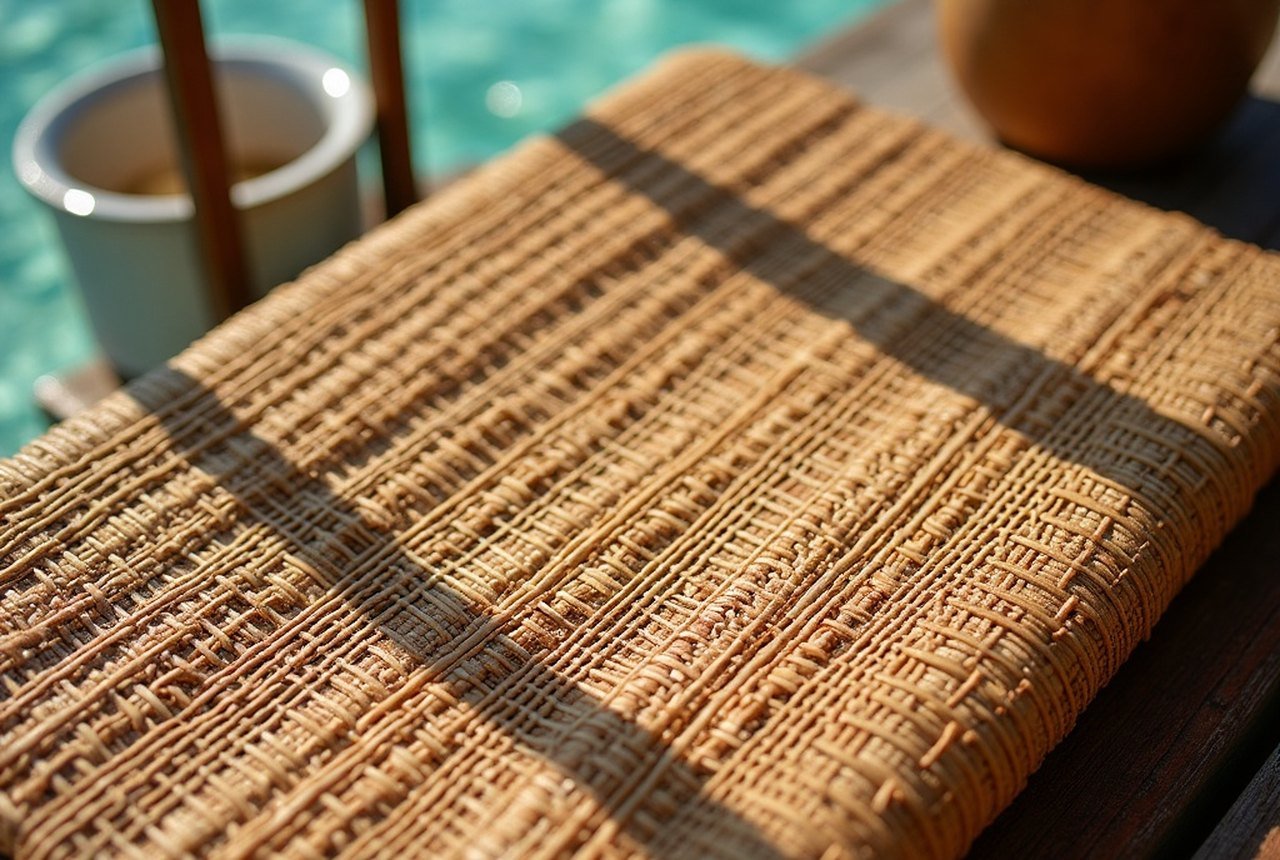
Adduan culture has its own textures. The weaving tradition here — fine mats made from dried screwpine leaves — is considered among the most accomplished in the Maldives, with geometric patterns specific to southern workshops. In the past, such mats were sent north as tribute to the sultan; today they are made for weddings, household use and a small but appreciative market among visitors who know what they are looking at.
The cuisine follows the Maldivian staple logic of skipjack tuna and coconut, but with southern inflections — spicing that runs a little hotter, preparations you will not find on menus in Malé. Eating in someone's home in Hithadhoo, the atoll's main town, you are more likely to encounter dishes whose names and flavours have no equivalent further north.
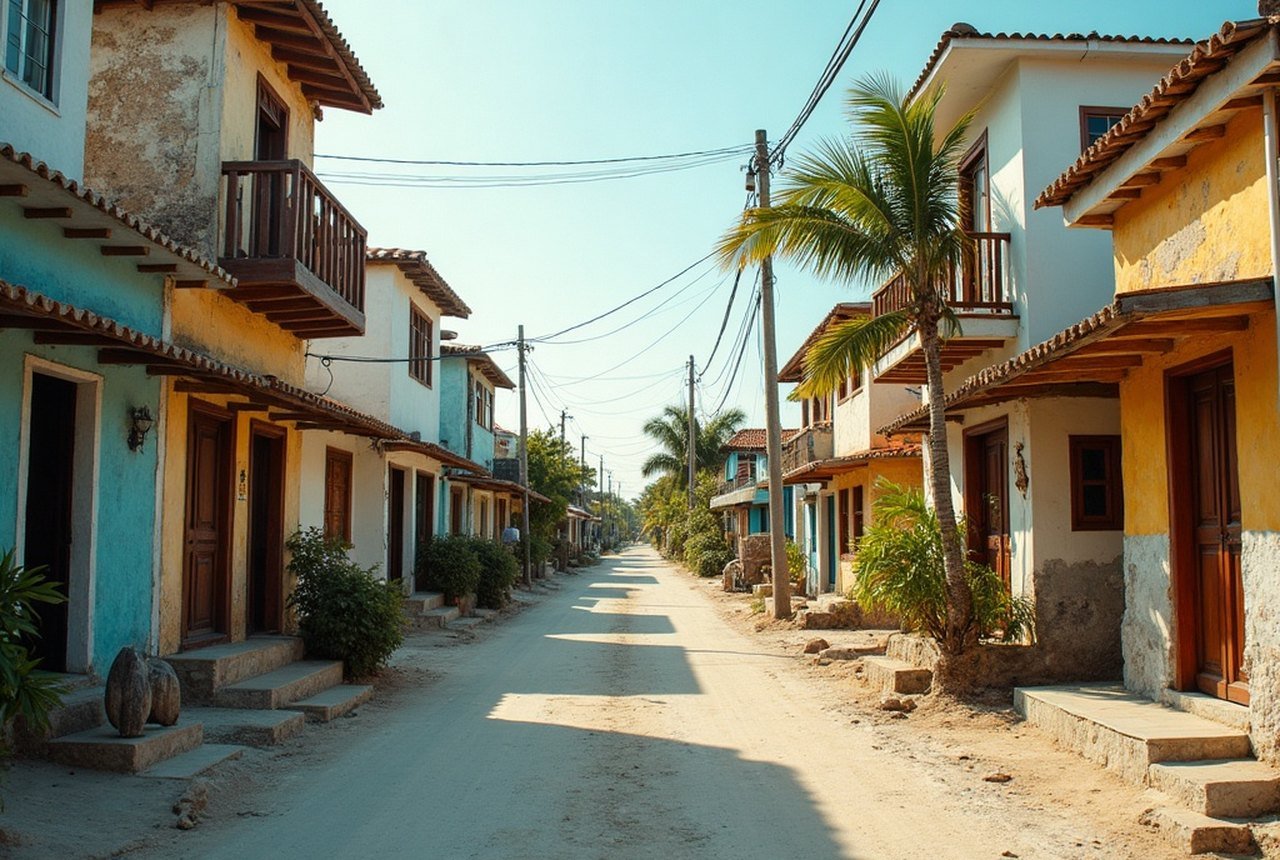
Hithadhoo itself warrants a slow afternoon: wide streets by Maldivian standards, a seafront that invites an aimless walk, a general atmosphere of unhurried purpose that feels distinct from the capital's density. The town has schools, hospitals and government offices that serve the entire southern region, which gives it a quiet administrative weight alongside its cultural confidence.
- 1941–1945British wartime military presence established at Gan, Addu
- 1959Addu, Huvadhu and Fuvahmulah declare the United Suvadive Republic
- 1963Republic dissolved, southern atolls reintegrated
- 1976RAF departs Gan; runway repurposed as civilian airport
Why It Matters
Addu resists the flattening tendency that tourism can impose on island cultures. Resorts exist here, but they sit alongside functioning communities with their own dialect, their own history of political assertion, their own craft traditions and their own relationship with the outside world — one built not through the resort economy but through generations of seafaring, trade and an RAF base that dropped the wider world at their doorstep decades before the first water villa was built anywhere in the country. Come to Addu to understand that the Maldives is not one thing. It never was.