The Pulse of a Nation Packed onto a Sandbar
Malé sits on a coral island barely two kilometres across, yet somewhere around a third of the entire Maldivian population lives, works, or studies here. Arrive by speedboat from the airport island and the city appears suddenly — a wall of pastel apartment blocks rising from a flat sea, satellite dishes and minarets competing for skyline. There is almost no horizontal space left. What strikes you first, once you're ashore, is not the density but the noise: motorbikes threading lanes barely wide enough for two, vendors calling from tea-shop doorways, the amplified call to prayer rolling out from multiple mosques at once.
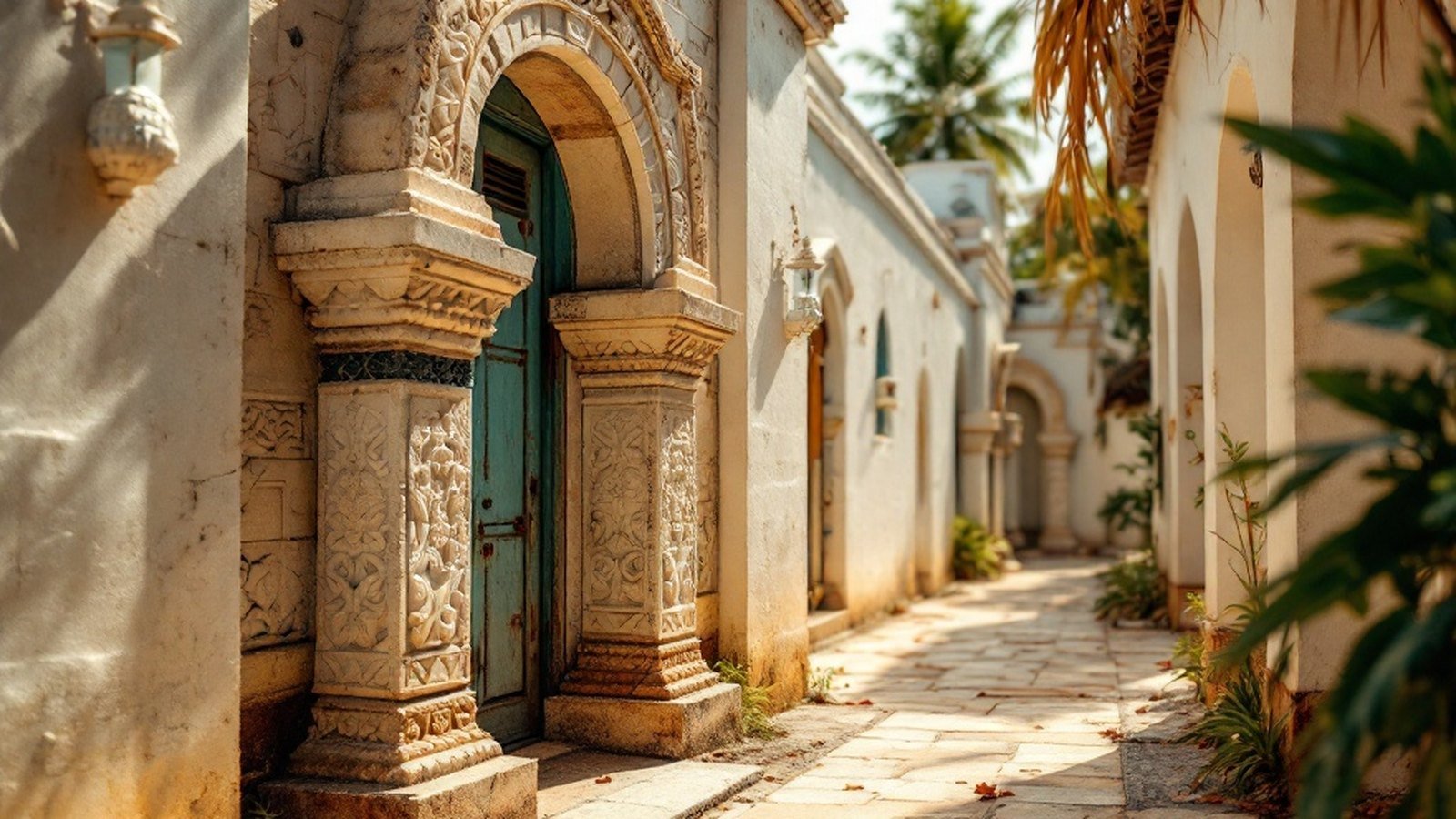
Friday prayers bring the city to something close to a halt. Offices close, the fish market empties, and the lanes around Hukuru Miskiy — the Old Friday Mosque, built in 1658 from finely cut coral stone — fill with men in white. The mosque is the finest example of coral-stone carving in the archipelago: its interior walls and tombstones bear dense geometric calligraphy, each panel cut by craftsmen who were also working in Thaana, the distinctive right-to-left script unique to Dhivehi. Non-Muslims cannot enter, but the carved exterior and the coral-stone graveyard beside it are open to respectful visitors, and the stonework repays close looking.
Markets, Tea Shops, and the Local Curriculum
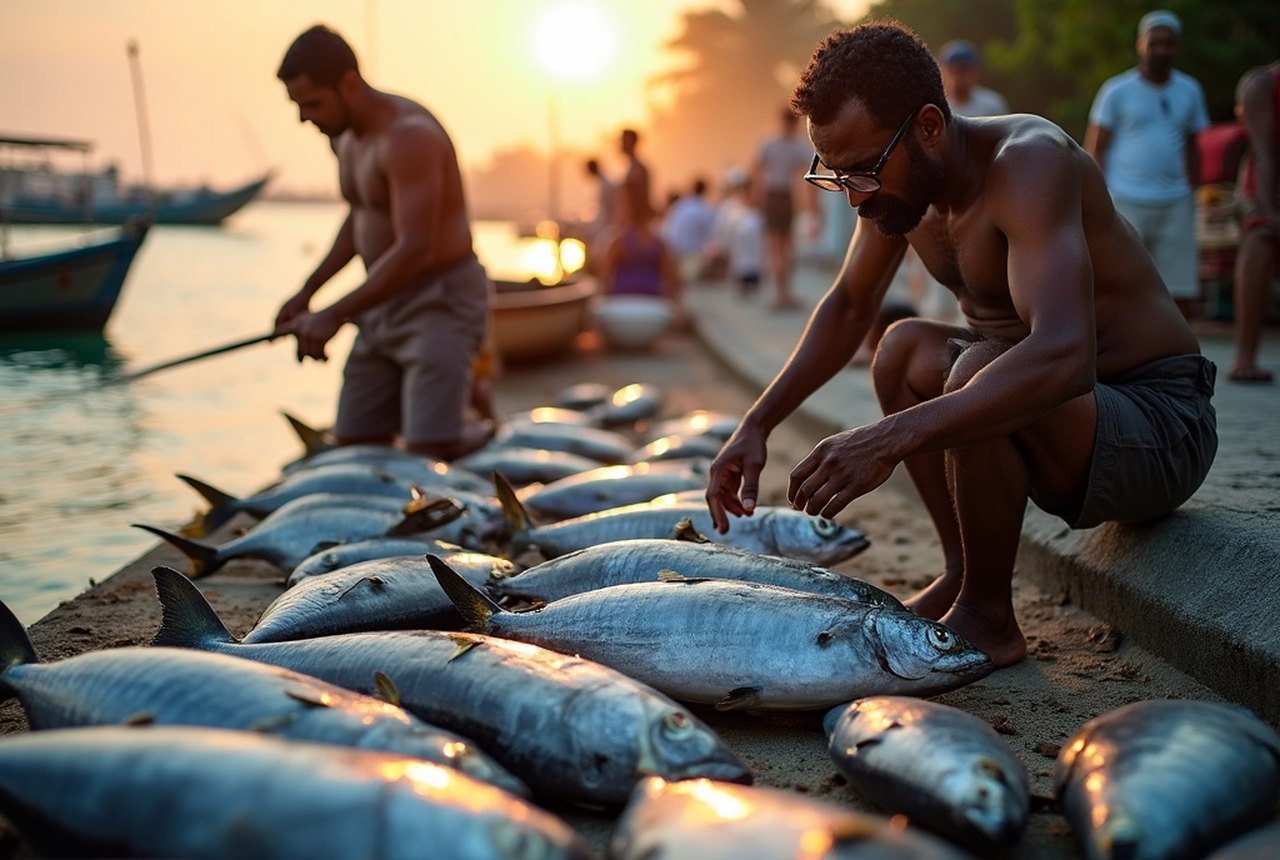
The fish market on the northern waterfront is the true centre of Maldivian commerce in miniature. Skipjack tuna — the engine of the national diet — arrives by the boatload in the morning hours. Fishermen sling whole fish across the slab with practiced ease; buyers prod and sniff; the transaction is fast and largely silent. Nearby, the produce market overflows with coconuts, chillies, dried hikimas (cured smoked tuna), and the bitter leaves that go into everyday curries. Both markets are open to the public and cost nothing to wander — and wandering them is, frankly, worth three hours of any museum.
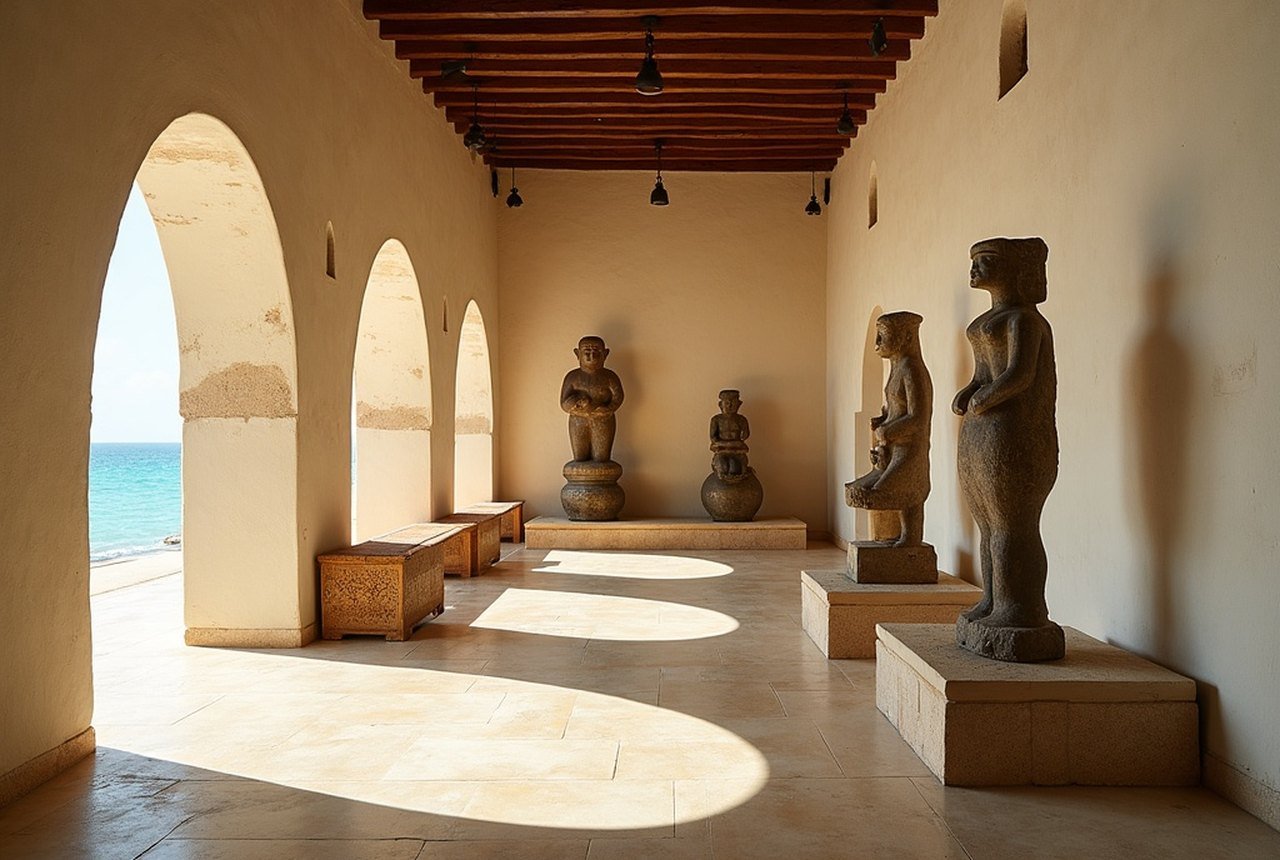
For cultural context without the crowds, the National Museum of the Maldives — housed in the former Sultan's Park complex, not far from the old Muleeaage palace — holds pre-Islamic stone figures, royal regalia, and examples of the Laajehun lacquerwork tradition. The Buddhist-era sculptures in particular, some dating back well over a thousand years, remind you that this sultanate began as something else entirely. They sit quietly in their cases, looking slightly surprised to be there.
Tea shops — sai hotaa in Dhivehi — function as neighbourhood parliaments. Order a glass of sweet black tea and a plate of bis keemiya (short-eats stuffed with smoked fish and egg) and settle in. These are the places where the real conversation about politics, weather, fish prices, and island gossip happens. The Seagull Café near the waterfront has long served as a gathering point where locals and the occasional curious traveller rub shoulders without ceremony.
Reading the Neighbourhood
Malé divides informally into recognisable quarters. The older lanes near Hukuru Miskiy have a compressed, almost medieval intimacy — coral-stone walls giving way to painted concrete, jasmine trained over doorways. Closer to the waterfront, the streets widen slightly into the commercial district where mobile-phone shops and fabric merchants sit next to establishments selling roshi ingredients and prayer caps. The Artificial Beach on the eastern shore is the city's only real public leisure space, packed with families at sunset, the horizon stippled with resort islands and cargo vessels.
What Malé offers the culturally curious visitor is compression: everything that defines Maldivian life — faith, food, craft, language, trade — operates here at walking pace, in the space of an afternoon. No seaplane, no resort transfer, no orchestrated cultural evening required. Just the city going about its business, which is a kind of education in itself.