A Prize the Portuguese Could Not Keep
By the mid-sixteenth century, Portuguese sailors had established themselves as a disruptive force across the Indian Ocean, extracting tribute from coastal polities from East Africa to the Malabar Coast. The Maldives, straddling the sea lanes between Arabia and South and Southeast Asia, was too strategically placed to ignore. In 1558, a Portuguese force seized Malé, killed the reigning sultan, and installed a garrison. What followed was not colonial administration but occupation — and the islands never accepted it.
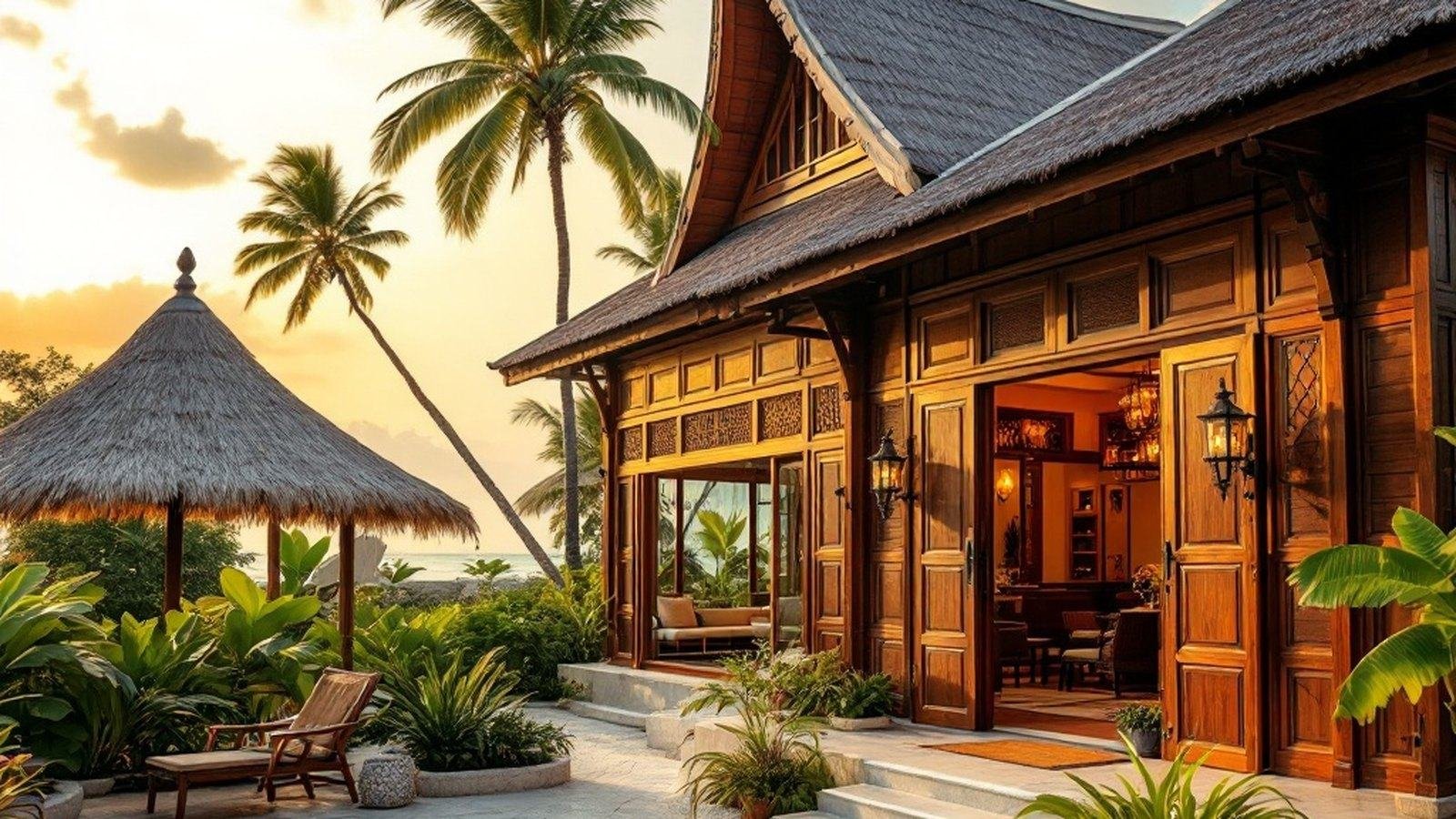
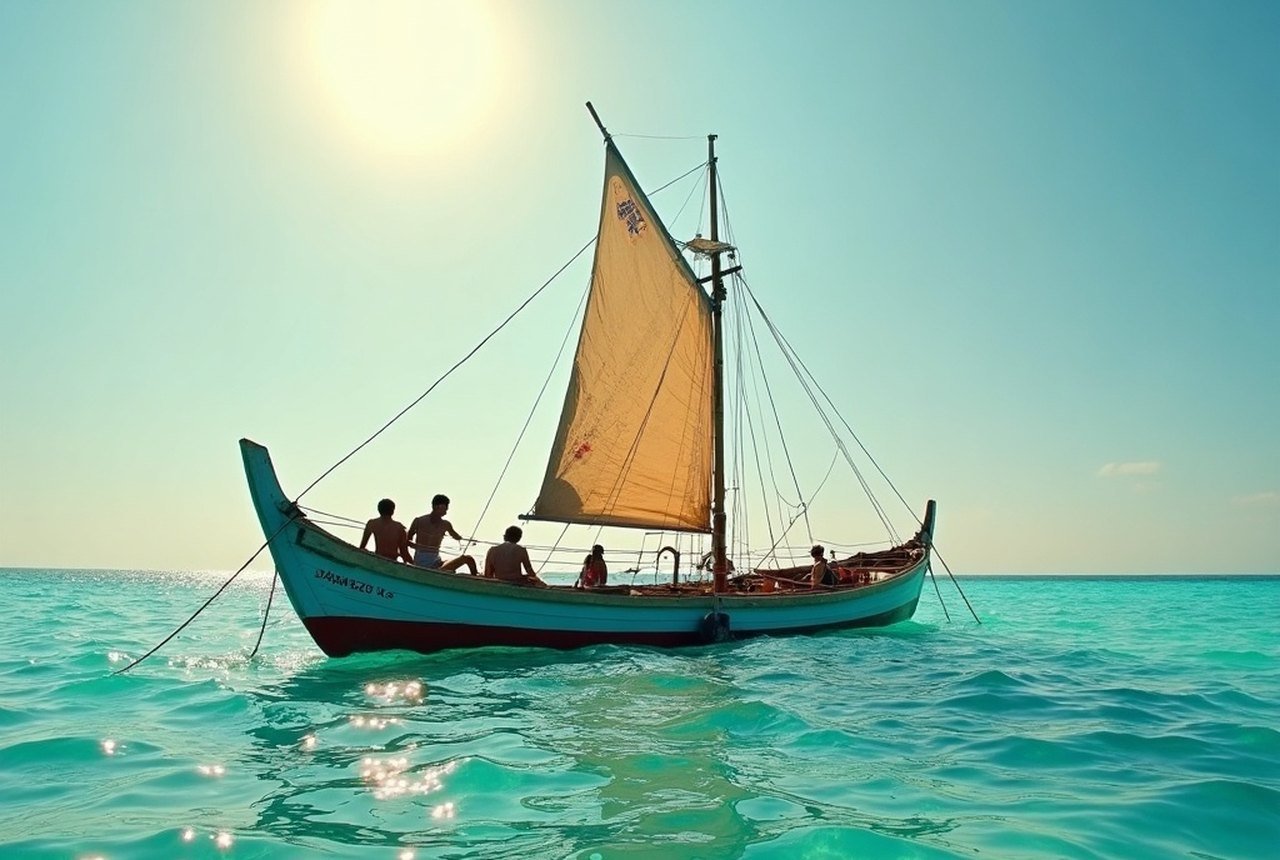
The Portuguese held the Maldives for roughly fifteen years, a period remembered in Dhivehi oral tradition as one of oppression and forced change. The resistance that ended it is today the archipelago's founding national story. Mohamed Thakurufaanu, a chief from the northern island of Utheemu in Haa Alif Atoll, led a guerrilla campaign from the late 1560s, striking Portuguese positions from fast-running dhonis and retreating across open water before retaliation could land. In 1573, his forces killed the Portuguese garrison commander in Malé and drove the occupiers out. Thakurufaanu became Sultan Mohamed Thakurufaanu Al-Auzam — "the Great" — and is still marked as the national hero. His birthplace on Utheemu remains a visited heritage site, the wooden palace there one of the oldest surviving domestic structures in the country.
Memory, Myth, and What Came After
What the Thakurufaanu story shows, beyond the military facts, is how the Maldives processes historical trauma: through narrative. The oral tradition that preserved the resistance was eventually formalised; the events are taught, commemorated, and have shaped a persistent Maldivian sense that sovereignty is not merely political but existential. A small, low-lying archipelago with no standing army and no strategic depth had expelled a European maritime empire through guile and local knowledge of the sea. That self-image endures.
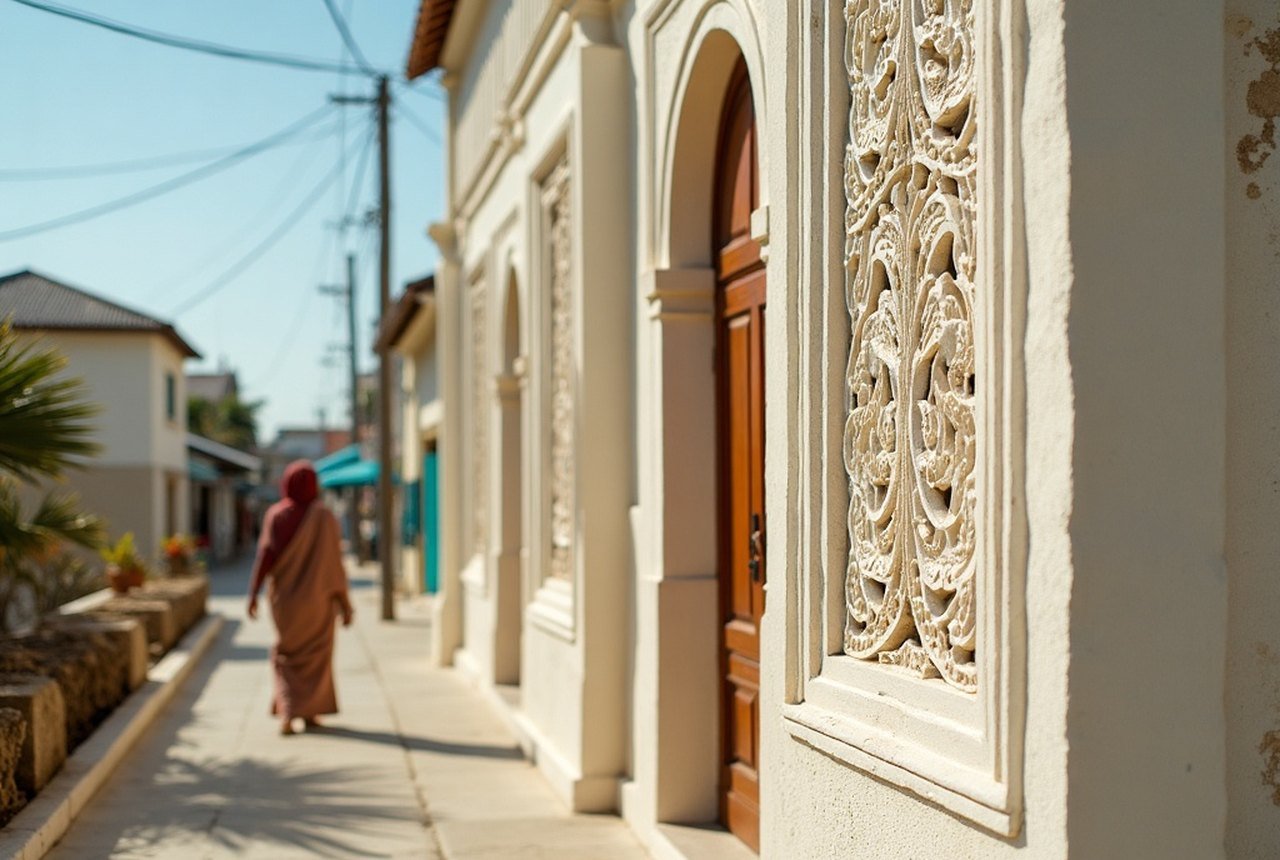
The Dutch and the British each made subsequent overtures. The Dutch, dominant in the region through the seventeenth century, traded with the Maldives without attempting direct control. The British, as their Indian empire expanded, formalised a protectorate arrangement in 1887 — not conquest, but a treaty that left internal governance with the Islamic Sultanate of the Maldives while Britain handled external defence and foreign relations. The distinction mattered to Maldivians. The sultanate, its court, and its religious institutions continued functioning. The Hukuru Miskiy in Malé — the Old Friday Mosque, completed in 1658 during Thakurufaanu's dynasty and built from intricately carved coral stone — stood as a visible assertion of an unbroken Islamic Maldivian civilisation, not a subject culture remade by outsiders.
British influence was real but thin on the surface of daily life. It shaped communications infrastructure and drew the Maldives into the orbit of colonial trade networks, but it did not displace Dhivehi, did not suppress Thaana, and did not convert the islands' religious or legal character. When full independence came in 1965, it arrived through negotiation rather than armed struggle — a quieter end to the protectorate than the beginning of European contact had been, but an end nonetheless.
- 1558Portuguese seize Malé; sultan killed; garrison installed
- Late 1560sMohamed Thakurufaanu begins guerrilla resistance from Utheemu
- 1573Portuguese garrison expelled; Thakurufaanu becomes Sultan
- 1658Hukuru Miskiy completed under Thakurufaanu's dynasty
- 1887British protectorate treaty signed with the Islamic Sultanate
- 1965Full independence from Britain achieved by negotiation
What Survives
The Portuguese left almost no physical trace in the islands; the resistance erased or absorbed whatever they built. What survives instead is the counter-monument: Utheemu Ganduvaru, the teak palace of Thakurufaanu's family, and the oral and written memory of the campaign against the garrison. The National Museum in Malé holds artefacts from the sultanate period — regalia, manuscripts in Thaana, coral-stone carvings — that speak to the culture the Portuguese tried to interrupt and failed to break.
For visitors who come to the Maldives as something more than a beach destination, this history reframes the landscape. The dhoni on every horizon is not picturesque background; it is the vessel type that carried the resistance. The coral-stone walls of Hukuru Miskiy are not just beautiful; they are a statement of continuity. The Maldives has always been a place that other powers wanted and found, in the end, difficult to hold.