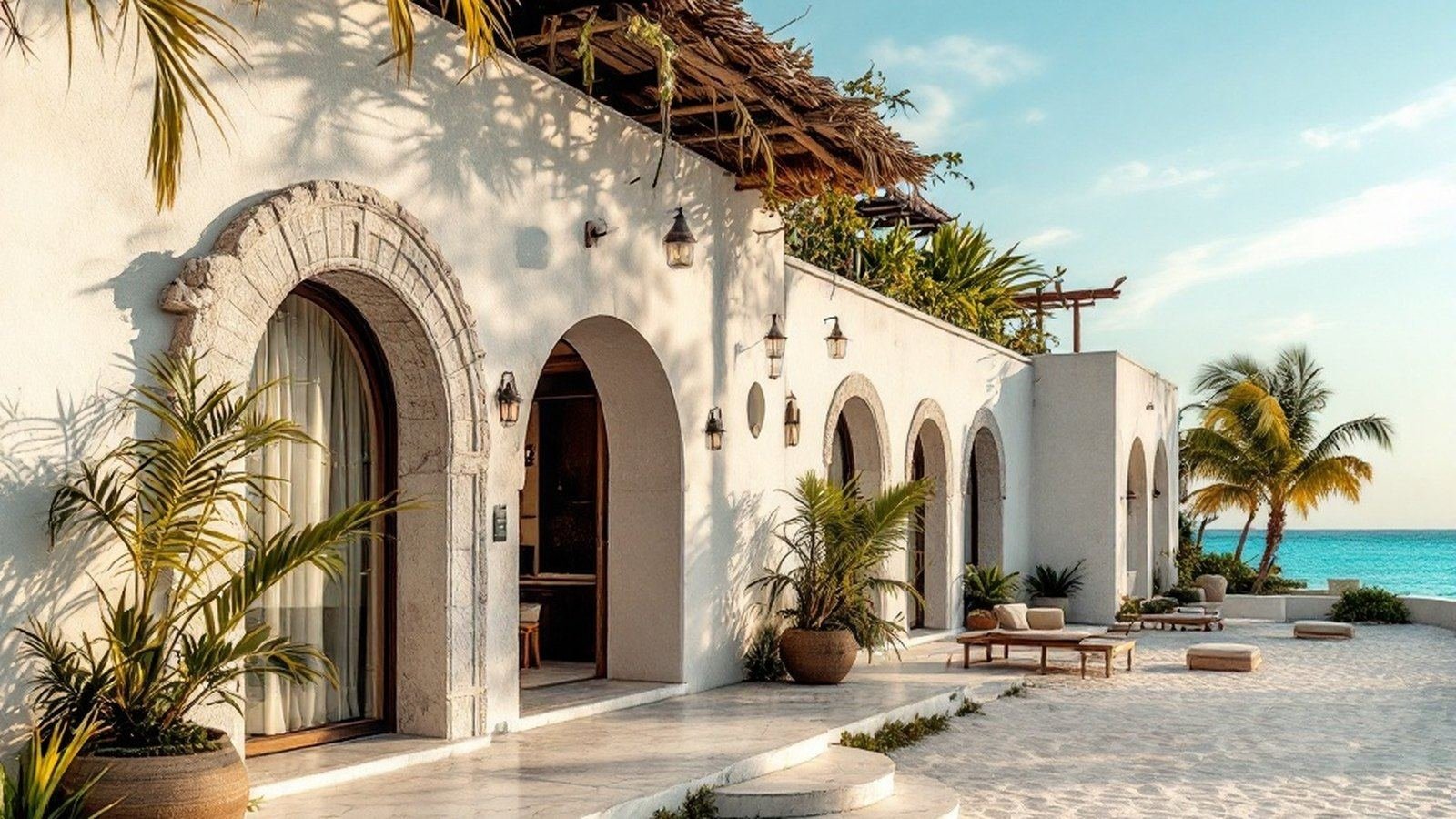
Most visitors clear Malé's Velana International Airport and board a speedboat before the afternoon is out, eyes already fixed on the horizon. I understand the pull. But some of my most absorbing hours in the Maldives have been spent in the capital itself — a city so dense it can feel like a single building spread across a square kilometre, yet one that rewards the curious traveller with culture, history, and unexpected depth. Three spots in particular I keep recommending.
Dive Club Malé
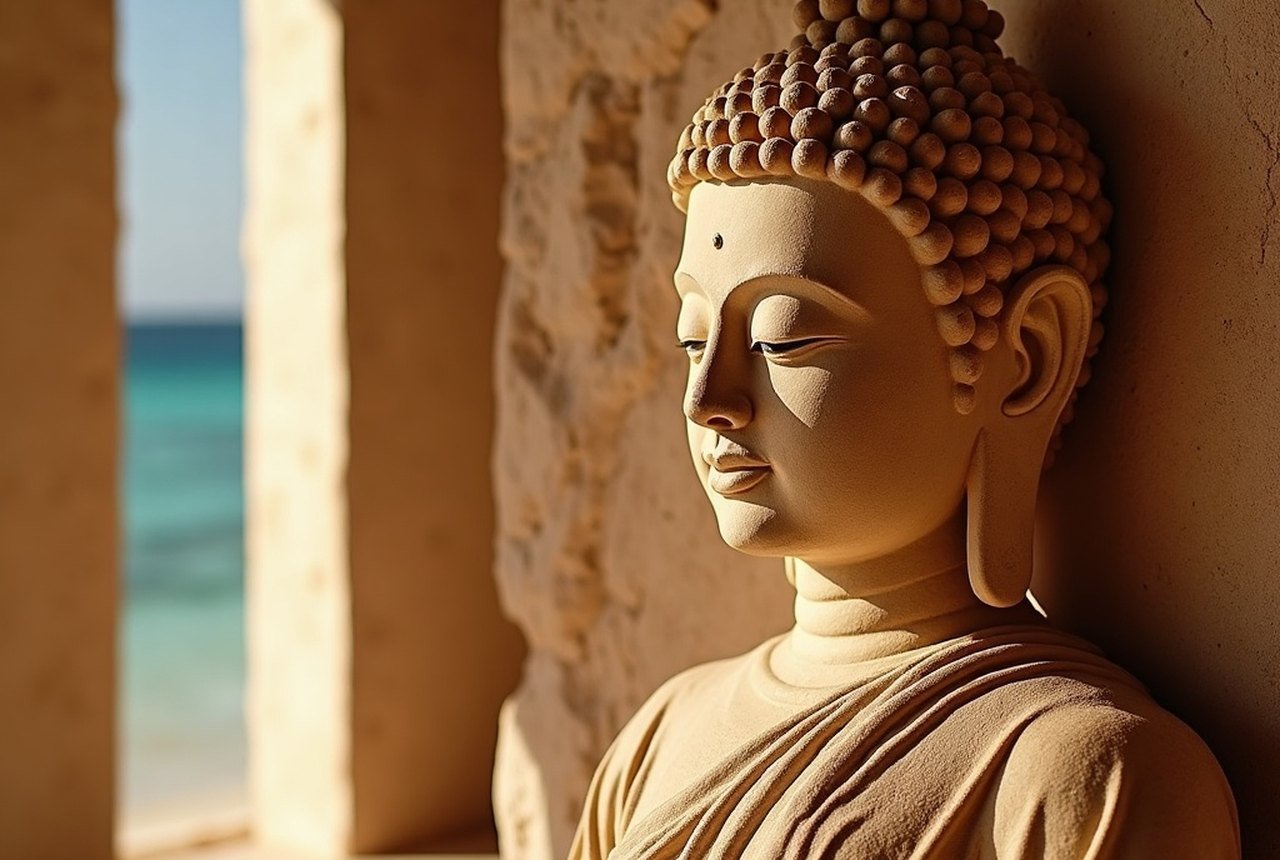
What makes Dive Club Malé distinctive is precisely its location: not a resort, not a private sandbank, but a professional operation embedded in the capital and using the reefs that lie just off its shores. The guides are patient with nervous first-timers and exacting with experienced divers — a combination that takes skill to pull off. The reef access itself does the rest. Corals dense with parrotfish, grouper, and reef sharks; visibility that, on a clear day, feels almost unfair. Banana Reef, one of the Maldives' most celebrated dive sites, sits within easy reach. If marine life is any part of your reason for visiting these islands, this is the logical first move — and you do not need to leave the capital to make it.
National Museum
The National Museum occupies part of the Maldivian Royal Palace complex in Malé, a building with a long and layered history of its own. Spread across three storeys, it holds a collection that moves from ancient weaponry and royal regalia through household wares and traditional art — a sweep of Maldivian life that is far broader than the resort brochures suggest.
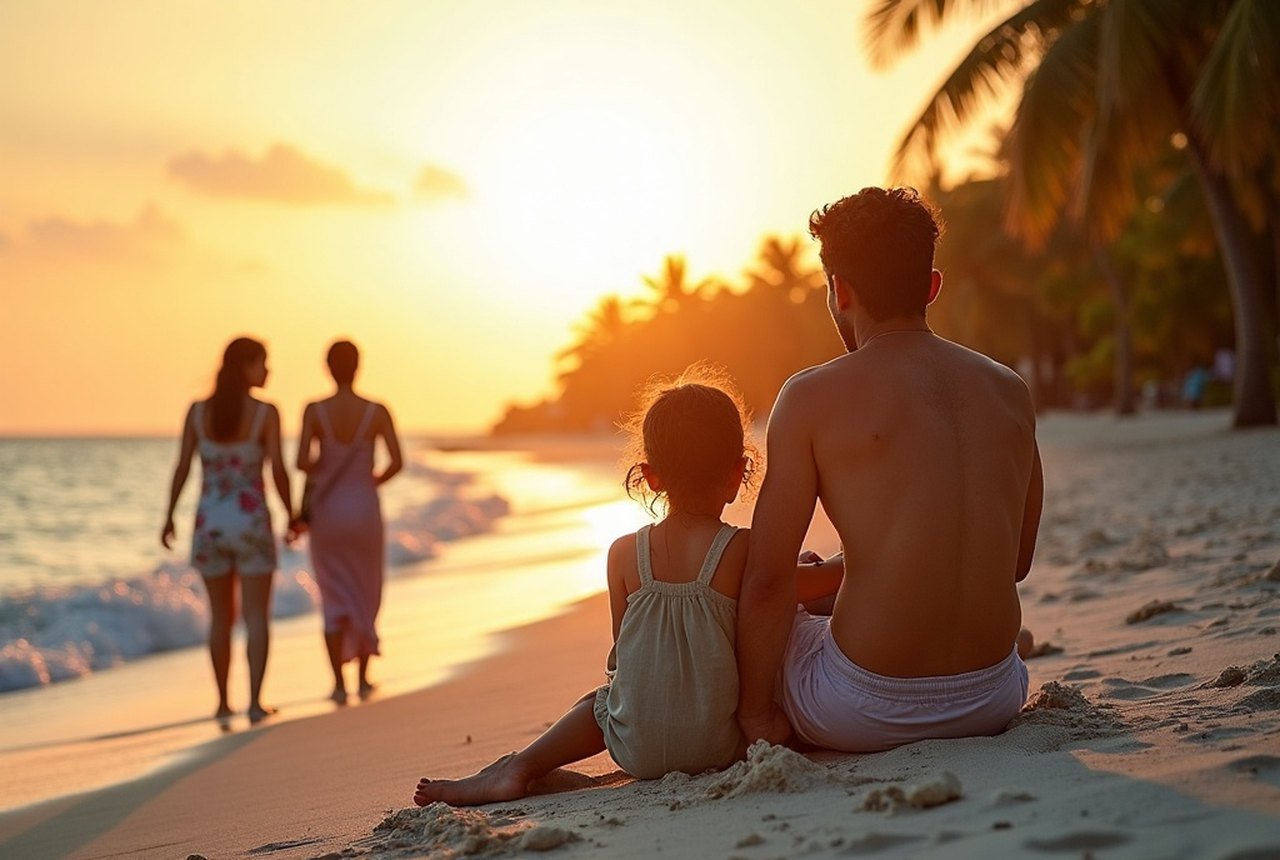
The piece that stops most visitors cold is a carved coral-stone Buddha head, believed to date to around the eleventh century. It is a quiet but powerful reminder that before Abu al-Barakat brought Islam to these islands in the twelfth century, the Maldives had a long Buddhist past, traces of which have surfaced in archaeological sites across the atolls, notably at Isdhoo in Laamu Atoll. The Buddha head is no longer the only such artefact — the museum holds several pre-Islamic objects — but it remains the most affecting. Spend an hour here before you do anything else in Malé and everything that follows feels richer, more legible. The collection does not have the scale of a major metropolitan museum, but it does not need it. The density of meaning in a relatively small space is exactly right for the islands it represents.
One practical note: the National Museum sits close to Sultan's Park, the public garden built on the grounds of the former royal palace, and the two are worth visiting together. The park itself is modest — a green exhale in an otherwise airless cityscape — but the adjacency of the two, with Hukuru Miskiy, the seventeenth-century coral-stone Friday Mosque, a short walk away, makes this corner of Malé the most culturally concentrated part of the capital.
Artificial Beach
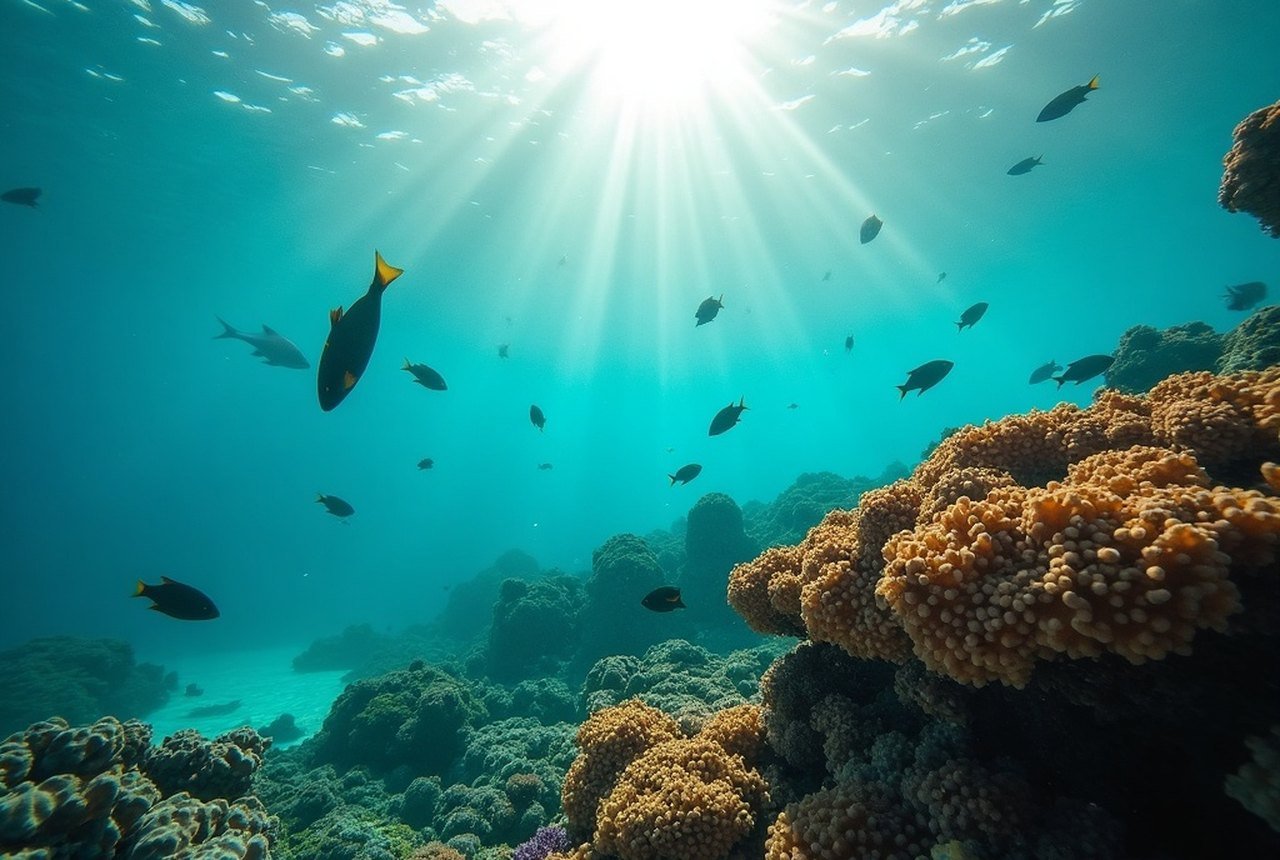
Malé sits on a coral island with no natural beach. So one was built — and it works, in the way that honest, useful civic infrastructure always does. The Artificial Beach is the city's breathing space: families arriving at sundown, teenagers running football across the sand, older residents in a steady procession along the shoreline. No entry fee. No dress code. No performance.
After a day of museums and diving, sitting here as the light falls over the lagoon is genuinely hard to improve on. The water catches the last of the sun at a colour that looks edited, and the city hum softens just enough. It is not a pristine resort beach, and that is entirely the point. It belongs to Malé and it feels like it.
Together, Dive Club Malé, the National Museum, and the Artificial Beach make a full, unhurried day in the capital — and none of them require a seaplane, a transfer, or a resort booking. The Maldives that most visitors glimpse only from a speedboat window is here, too, if you are willing to slow down long enough to find it.