Malé: Three Sites, One Morning
Visitors come to the Maldives for the water. That is understandable. But the islands carry centuries of human history that rewards the same attention — and a handful of sites tell that story with a clarity that surprises even well-travelled guests. The best place to start is where the greatest concentration of landmarks sits: the capital, Malé.
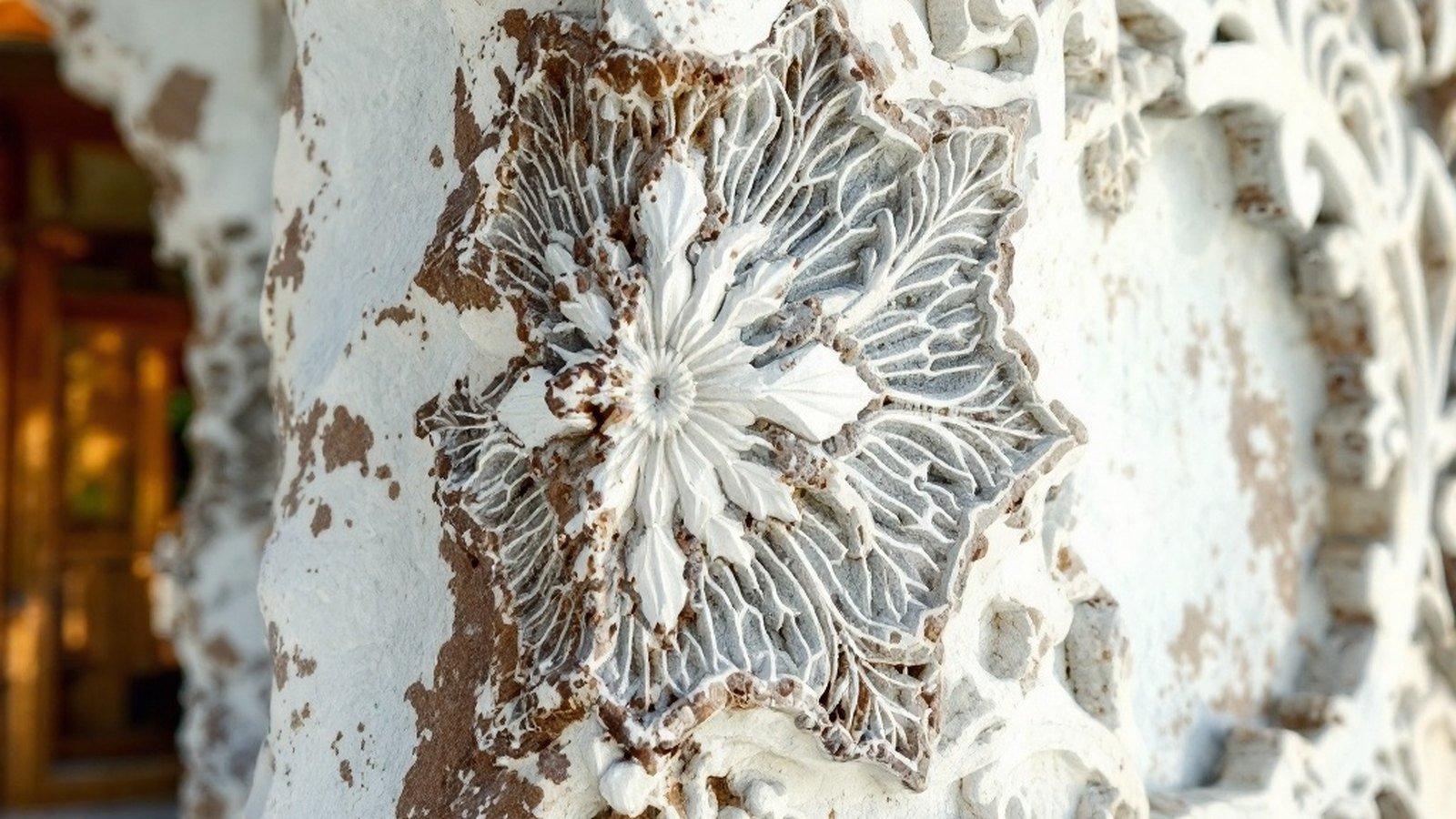
The Hukuru Miskiy — the Old Friday Mosque — is the site I return to first. Built in the seventeenth century on the orders of Sultan Ibrahim Iskandar, it is among the oldest mosques in the country, a UNESCO-recognised monument, and still an active place of worship. What stops people mid-step is the coral-stone carving: dense, deeply cut geometric and floral patterns worked into the reef limestone that forms the walls. This is traditional Maldivian craftsmanship at its most refined — nowhere else in the archipelago is the technique displayed at this scale or this quality. Come outside of Friday prayer times, dress modestly, and allow more time than you think you need.
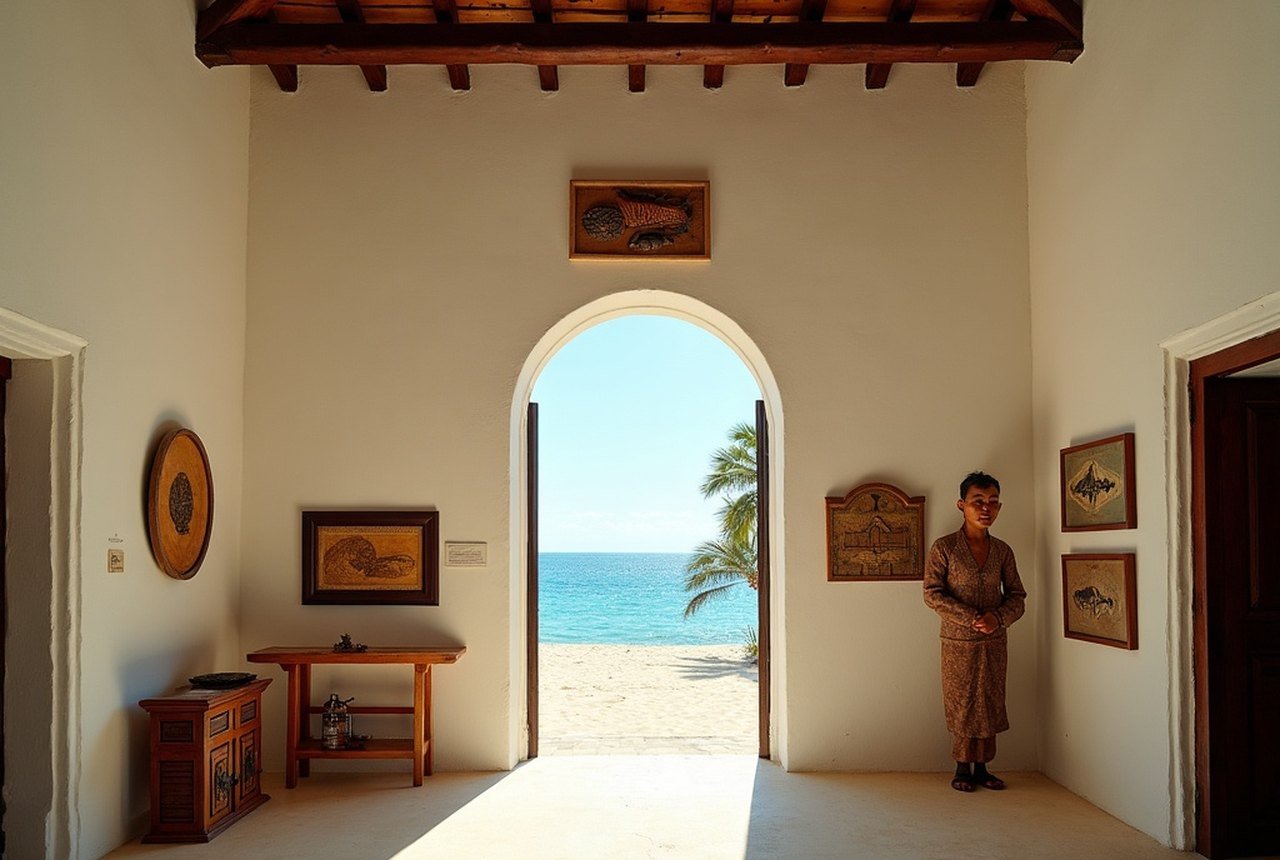
A short walk brings you to Sultan's Park, and within it, the National Museum. The building itself was once a palace; the collections inside span both pre-Islamic and Islamic periods. Stone carvings, royal regalia, objects excavated from across the atolls — everything is housed together in a way that functions as the most efficient single introduction to Maldivian history available. The pre-Islamic material is especially striking: coral sculptures and artefacts that speak to a civilisation here long before the conversion to Islam in the twelfth century. For context that deepens every other site you visit, this is where to get it.
Nearby stands Muleeaage, the former sultan's palace and now the official residence of the President. You cannot enter, but the pale, colonial-influenced façade is handsome from the street and the brief stop connects the city's royal and republican histories in a single glance. All three Malé sites sit within comfortable walking distance — one unhurried morning covers them.
Utheemu: The Island That Shaped a Nation
For anyone who wants to go further, the northern island of Utheemu demands the journey. This is the birthplace of Sultan Mohamed Thakurufaanu, the leader who expelled Portuguese forces from the Maldives in the sixteenth century. His significance to Maldivian national identity is difficult to overstate: he is honoured as the country's greatest national hero, and the story of the guerrilla campaign he led against Portuguese occupation — conducted largely by sea, island by island — remains the central narrative of Maldivian historical memory.
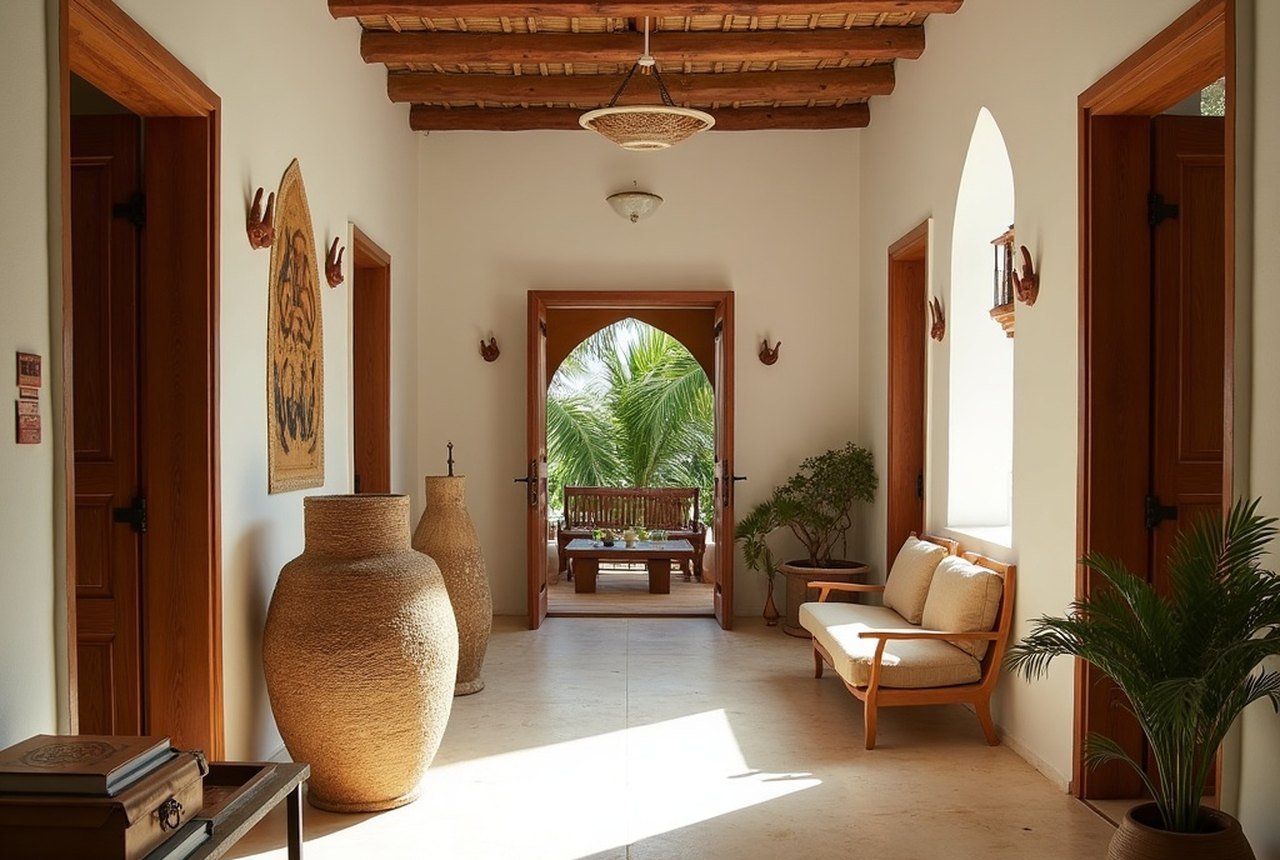
His family home still stands. A preserved timber structure on an island that itself feels unhurried and largely unchanged, it functions as a heritage monument and draws Maldivian visitors as much as foreign ones. Utheemu also holds an ancient coral-stone mosque and a historic cemetery whose carved tombstones echo the craftsmanship of Hukuru Miskiy. There is something grounding about standing in the actual house — not a reconstruction, not a museum replica — where the liberation of the Maldives was plotted.
Getting there from Malé involves either a domestic flight to Hanimaadhoo and a short ferry, or a longer ferry journey directly; factor in the travel time and plan to spend at least a night in the area. The journey is part of the point. Arriving at Utheemu by sea, on a small island at the far northern reach of the archipelago, gives the history a geography that no exhibit in a capital city museum can fully supply.
- 12th centuryconversion of the Maldives to Islam
- 16th centurySultan Mohamed Thakurufaanu leads liberation from Portuguese occupation
- 17th centurySultan Ibrahim Iskandar orders construction of Hukuru Miskiy
Why These Sites Matter
Living history here is not behind glass. It is coral underfoot, a mosque still called to prayer, a wooden house where a national story began. Taken together — Hukuru Miskiy's carved walls, the National Museum's layered collections, and the quiet gravity of Utheemu — these sites offer something rarer than a resort view: evidence that this archipelago has been home to complex, resilient, creative human societies for far longer than the tourism industry has existed. That perspective changes how you see everything else.