Built on Three Pillars
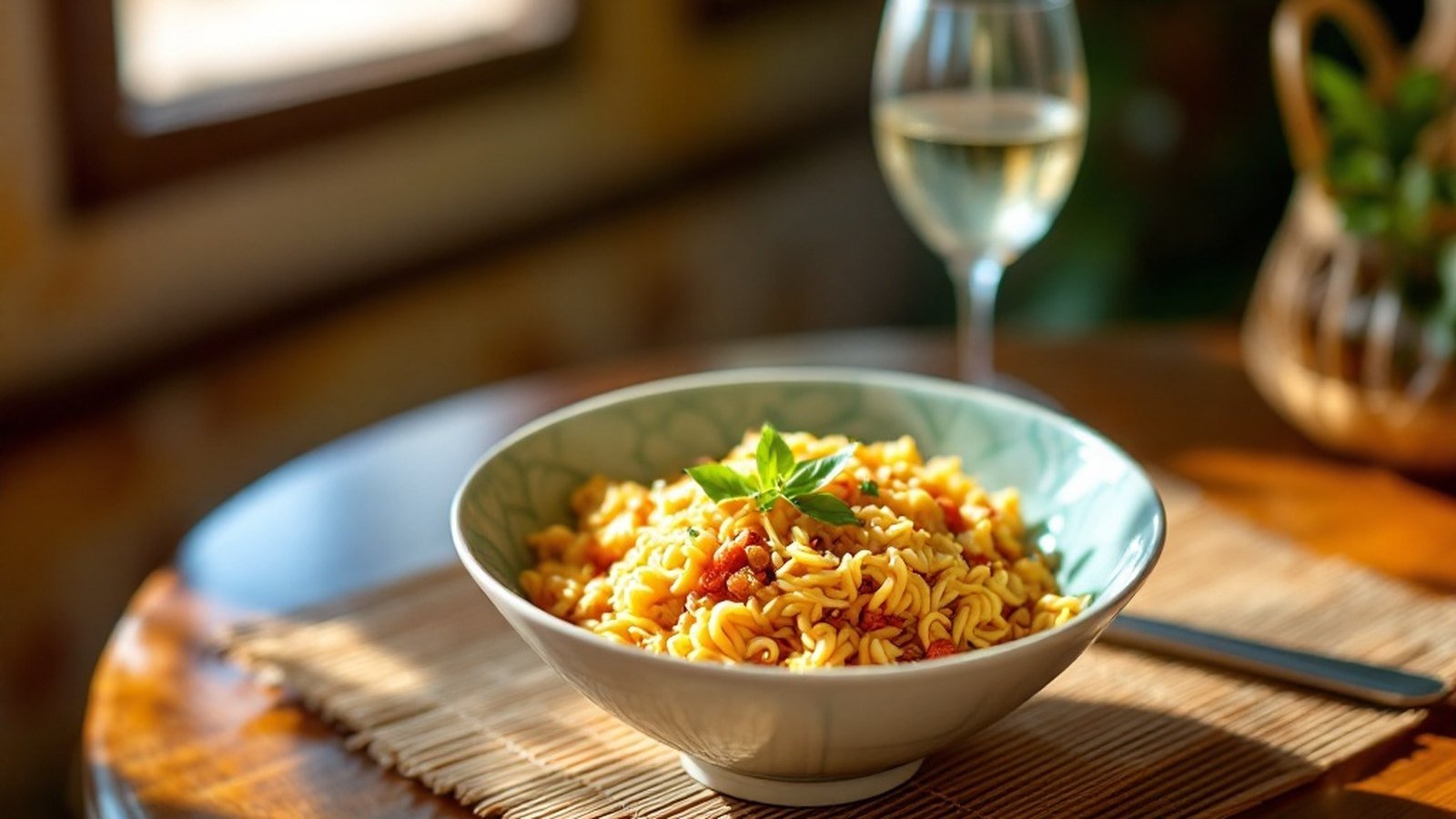
Dhivehi cuisine — the food of the Maldivian people — rests on three foundations: fish, coconut, and starch. Everything else is layered on top. Centuries of exchange with India and Sri Lanka brought spices and curry traditions that wove themselves so thoroughly into the cooking that they now feel entirely indigenous. The result is something genuinely distinct: tangy, lightly sweet, and warm with spice all at once, with the ocean never far from the bowl.
What makes this kitchen remarkable is not its complexity but its coherence. The same handful of ingredients recur across every atoll, yet the variations between islands — in proportion, technique, curing time — are subtle enough that eating your way around the archipelago remains genuinely worthwhile.
The Ingredients That Define the Table
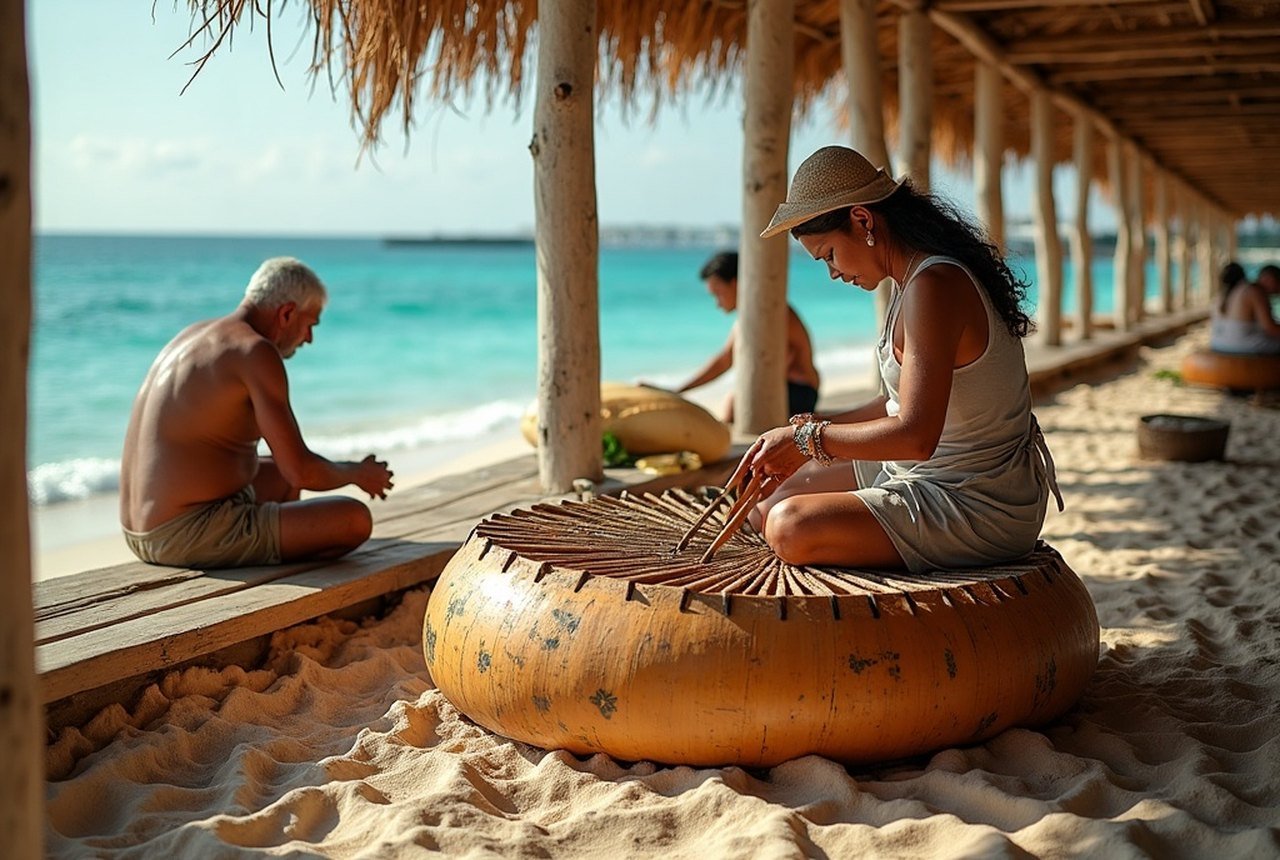
Coconut. Called kurumba in Dhivehi, the coconut palm is the national tree, and it earns the designation. It grows on every inhabited island and enters the kitchen in almost every form: grated flesh, pressed milk, shaved flakes, and oil for deep frying. The traditional grating tool is the hunigondi — a long-handled seat with a serrated blade at one end; the cook straddles it and grates the coconut downward into a bowl. Coconut milk drawn from that fresh flesh enriches curries, soups, and drinks alike. Remove coconut from Dhivehi cooking and the cuisine largely ceases to exist.
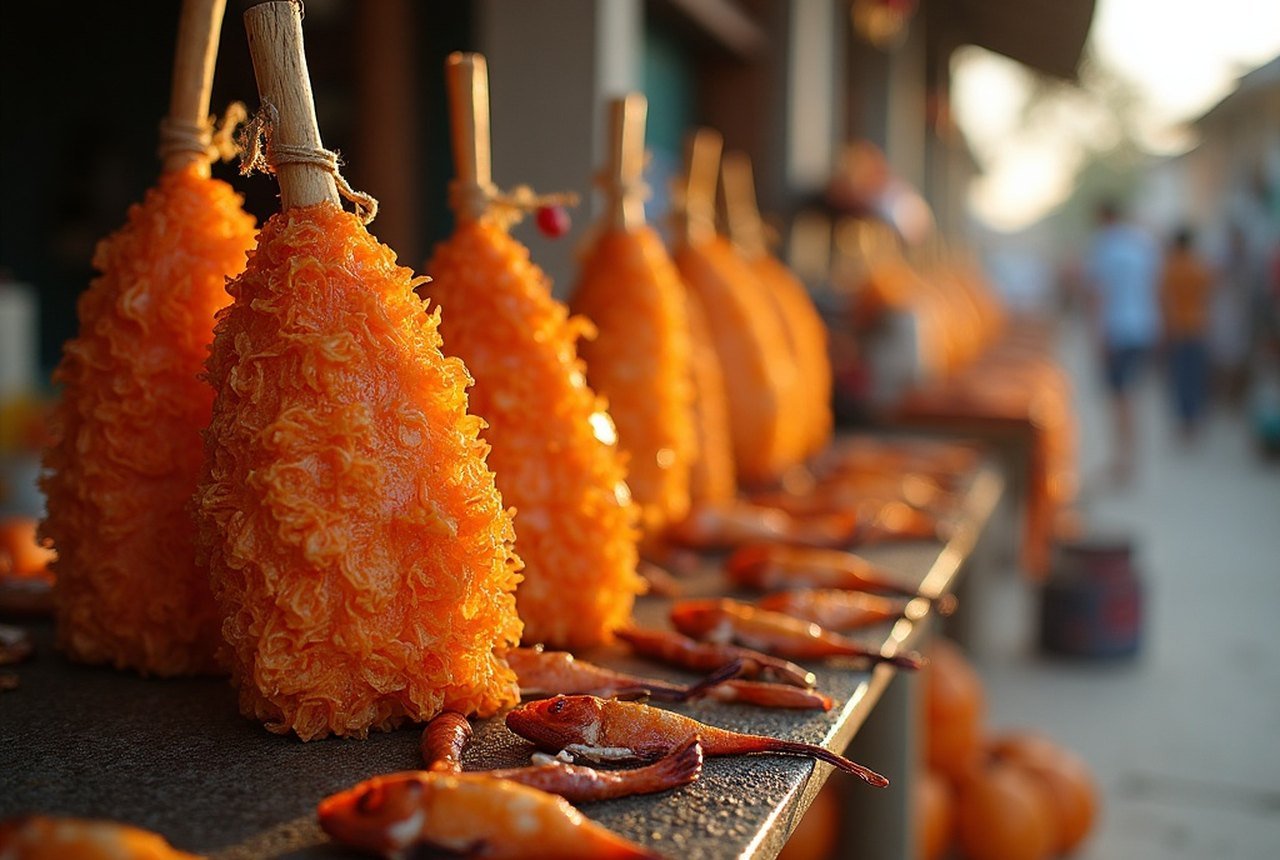
Tuna. No ingredient is more central to daily life here. Skipjack is the workhorse species, present in some form at almost every meal; yellowfin and frigate tuna appear alongside it. Tuna is eaten fresh, sun-dried, smoked, and cured, and each method produces a genuinely different ingredient. The cured, smoked form — hikimas — is particularly important: crumbled into broths and relishes, it delivers a depth of savour that nothing else in the island pantry replicates. Island to island, the preparation shifts subtly, which is reason enough to try tuna in several places on the same trip rather than settling for one encounter.
Starch. Rice is the dominant carbohydrate, though roshi — a thin, unleavened flatbread cooked directly on a griddle — is equally present and arguably more distinctly Maldivian. Both serve as the vehicle for whatever sits beside them, soaking up the spiced coconut broths that define the cuisine's texture and tone.
Mas Riha: The Dish That Defines a Kitchen
The most celebrated preparation in the Dhivehi repertoire is mas riha: tuna simmered with coconut milk, chilli, and a careful blend of spices that typically includes curry leaves, pandan, and cinnamon alongside the more obvious aromatics. It is served with rice or roshi and occupies a position in the local kitchen roughly equivalent to what a good curry holds in Sri Lanka or a dal in India — the dish against which everything else is measured, and the one a visitor should eat before any other.
Mas riha is not a fusion dish that announces its influences; those influences — the spice trade, centuries of contact with South Asian coastal kitchens — have been fully absorbed and made local. The result sits somewhere between a Sri Lankan fish curry and something that belongs entirely to the atolls.
Living Memory, Not Written Record
Every technique used to make these dishes has been passed between generations without being written down. There are no cookbooks holding the authoritative recipe for mas riha, no culinary academy preserving the correct method for hikimas. The knowledge lives in practice — in the way a grandmother adjusts the coconut milk by feel, or the way a fisherman knows when the smoke-cure is ready. Eating Dhivehi food is, in the most literal sense, eating history: the memory of every trading vessel that anchored in these waters, encoded not in text but in flavour.
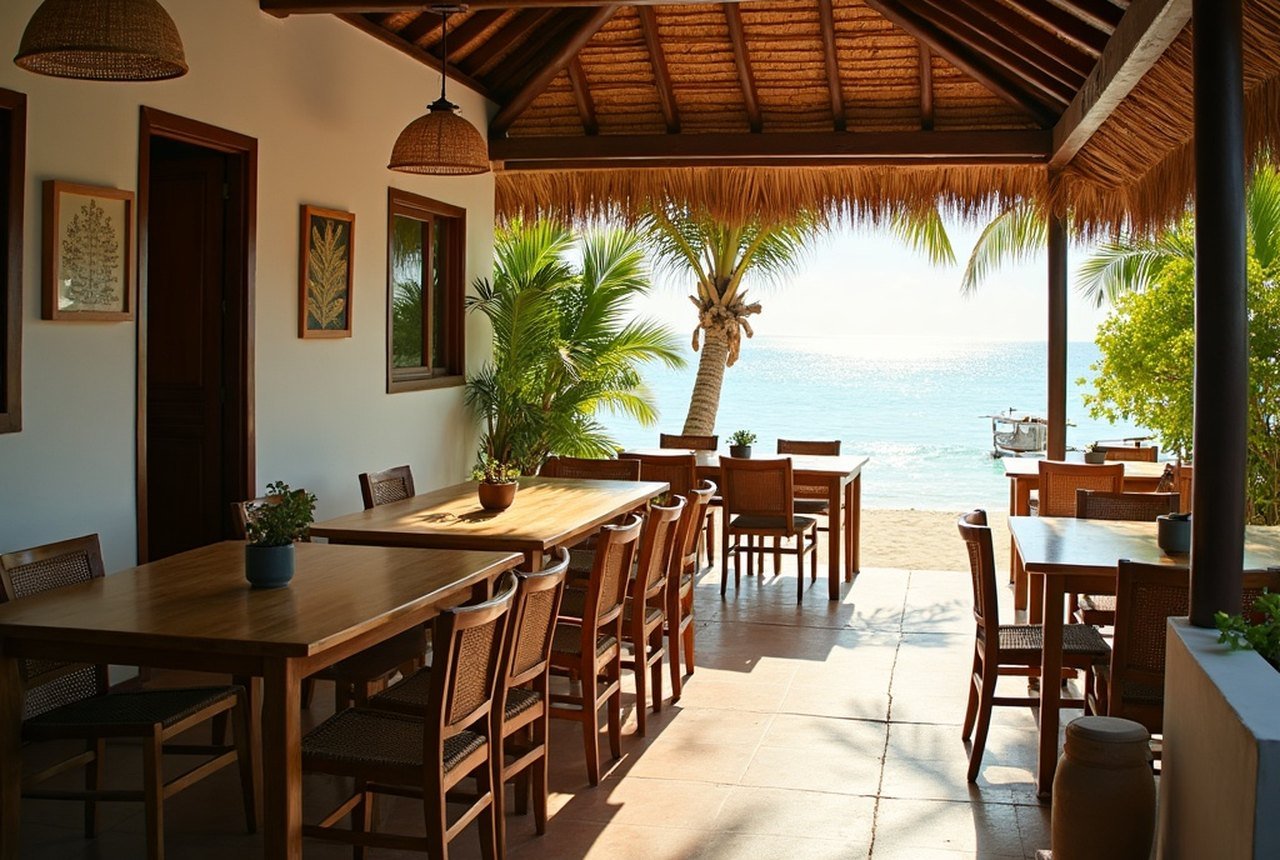
For culturally-minded visitors, that is precisely the point. The resort buffet has its place, but the real Maldivian meal is found on an inhabited island — in a guesthouse kitchen, a modest local café, or at a table set close enough to the lagoon that the smell of the sea and the smell of the curry are briefly indistinguishable.