The Island That Makes Things
Thulhaadhoo is not a large island — roughly two thousand residents, coconut palms crowding the shoreline, the unhurried rhythm of an inhabited Maldivian community far from the resort belt. But it has a reputation that travels. Ask about lacquerwork anywhere in the Maldives and the answer comes back the same: Thulhaadhoo, Baa Atoll. This is where the craft is most alive.
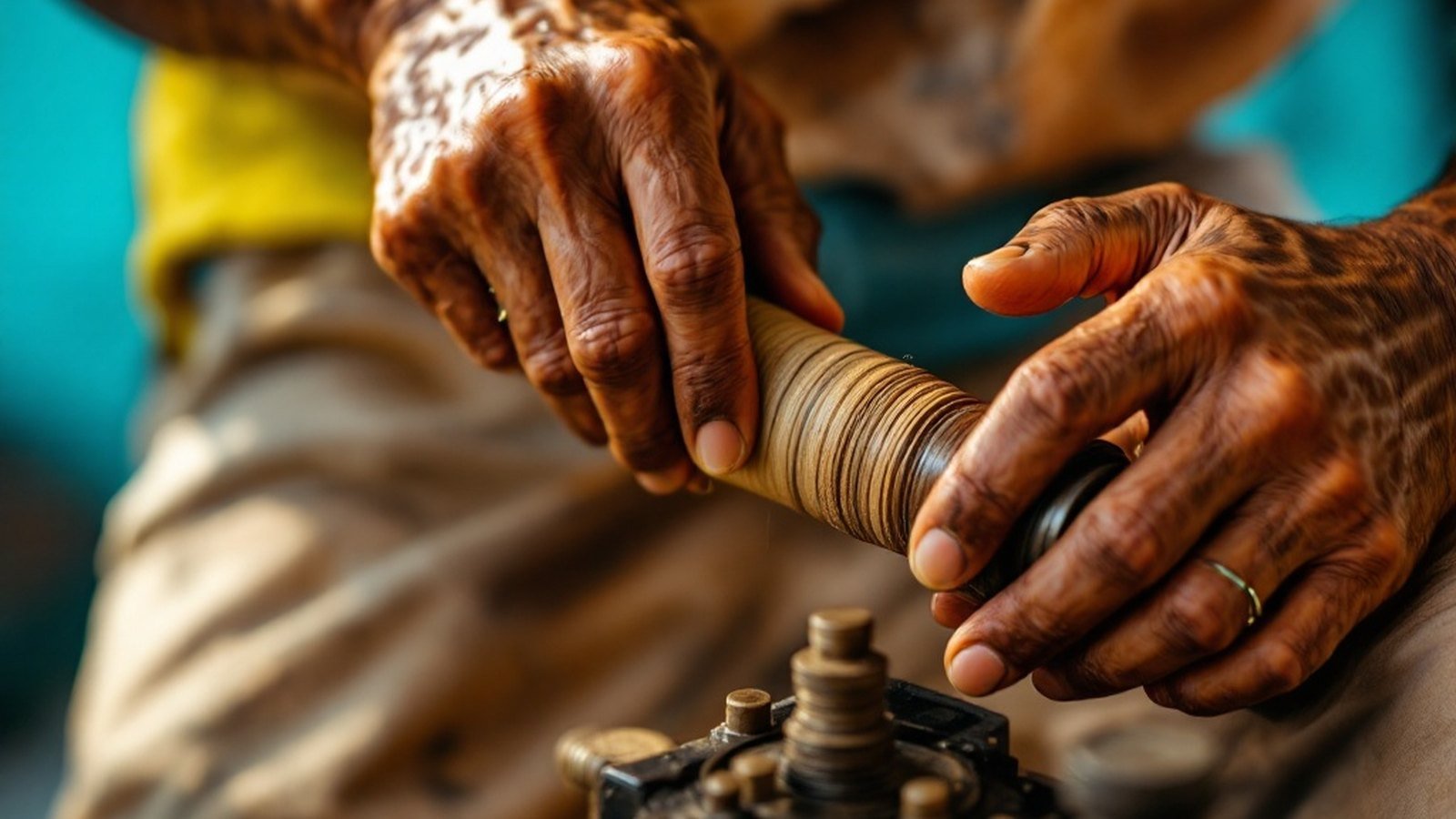
The tradition is called liye laajehun in Dhivehi — lacquerwork — and Thulhaadhoo's craftspeople have practised it for centuries. At its core, the technique involves turning a piece of local wood on a lathe and applying coloured lacquer while the wood spins, building up layers of red, black, yellow and green that sink into precise geometric bands. Stop the wheel and you have a vessel, a box, a vase — its surface dense with pattern, warm to the touch, unlike anything mass-produced.
Craft as Cultural Object
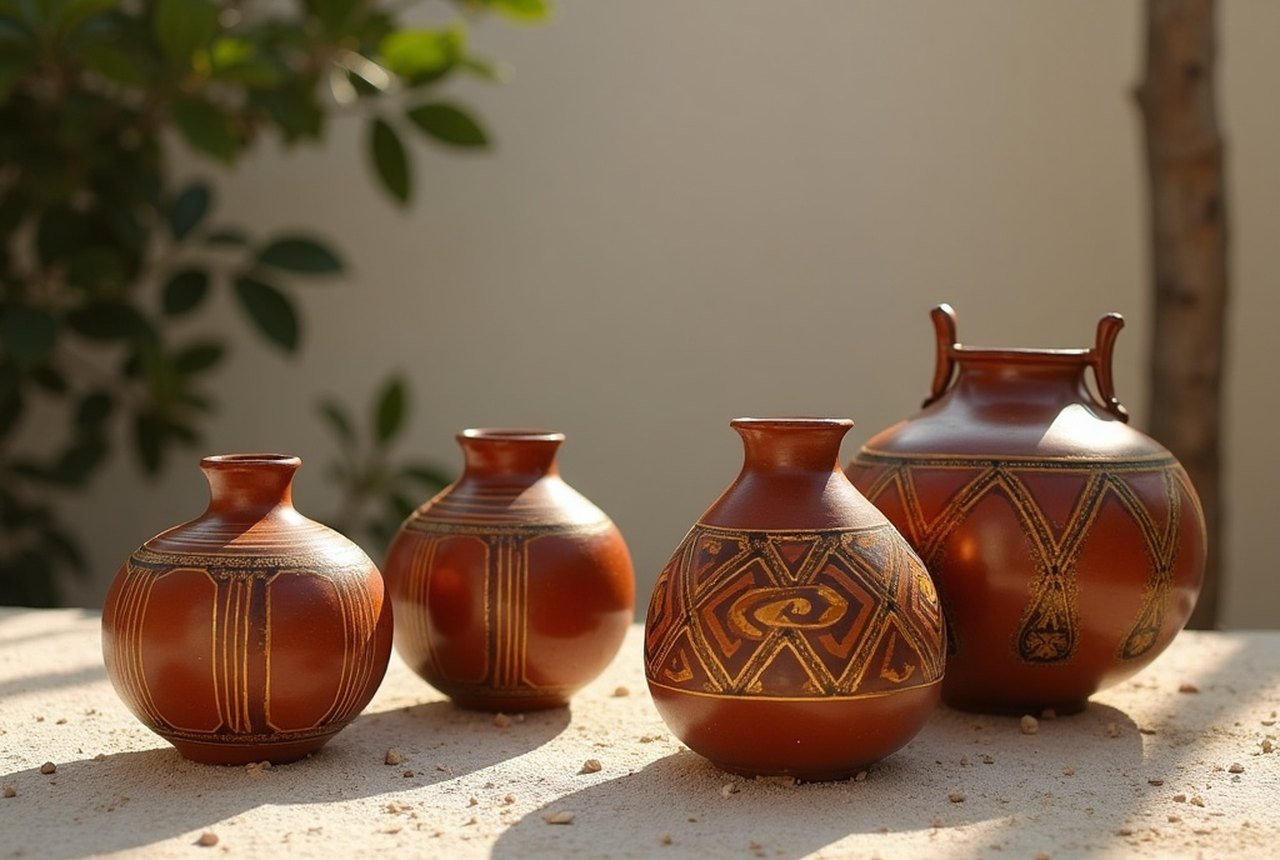
The finished objects are called laajehun, and their uses have always tracked the rhythms of Maldivian life. Traditionally, they served as storage containers for betel leaves, as gifts exchanged between households, as decorative objects in the homes of the well-off. The most prized pieces — those made for the royal court of the Islamic Sultanate of the Maldives — were exquisite: fine-walled, tightly patterned, worthy of the word regalia. Examples from those eras survive in the collections of the National Museum of the Maldives in Malé, where you can see just how refined the craft had become long before tourism gave it a new audience.
The patterns themselves carry a design vocabulary that is distinctly Maldivian: interlocking chevrons, fine hatching, concentric rings that echo the atoll's own geography when you look down from above. There is no single template. Experienced craftspeople carry the patterns in their hands, adjusting line width and spacing by feel as the lathe turns. It takes years before that muscle memory becomes reliable, and longer still before it becomes art.
Who Makes It Now
What makes Thulhaadhoo unusual is that the craft is not merely preserved here — it is practised. Walk through the island's residential lanes and you will hear the soft whirr of lathes from open workshops. Some craftspeople are elderly, but others are younger, having grown up in households where laajehun-making was simply what adults did. The Maldivian government has at various points extended formal recognition to the island's craft heritage, and there are ongoing efforts to document and sustain it — though the economic pressures on any labour-intensive handcraft are real, and not every young islander chooses the workshop over other work.
The lacquer itself — applied in liquid form while the wood spins — dries quickly in the island air and hardens to a surface that resists moisture and light. The wood most commonly used is kuredhi (a local hardwood), though the specific materials have shifted over generations as availability changed. What has not shifted is the insistence, among the island's best makers, on doing it properly: no shortcuts on the layering, no skimping on the geometry.
Coming to See It
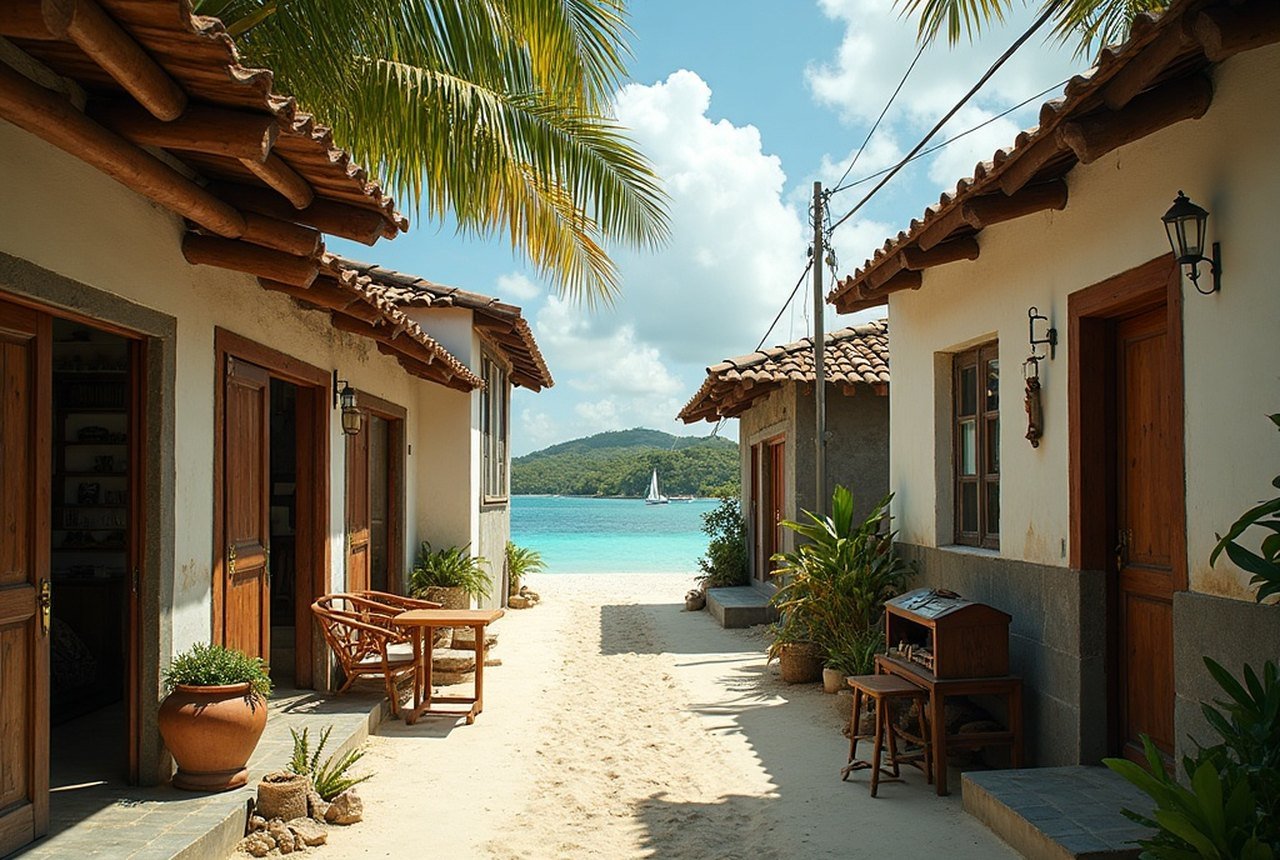
Thulhaadhoo sits in Baa Atoll, a UNESCO Biosphere Reserve — an atoll that draws divers for its manta rays and snorkellers for its reefs, but that also rewards slower travel. The island is reachable by speedboat from the atoll's domestic airport at Dharavandhoo. There is no resort on Thulhaadhoo itself; visitors who come here come to see the island, not a lagoon villa. Guesthouses serve local food — roshi, fish curry, short eats — and if you ask around, most households with a workshop are happy to show visitors what they are working on.
Take your time. Watch a craftsperson at the lathe and you will see something that connects this small island to a tradition stretching back across centuries of Maldivian life — a material record of taste, skill and persistence on an island that the sea surrounds on all sides and has never quite managed to isolate.