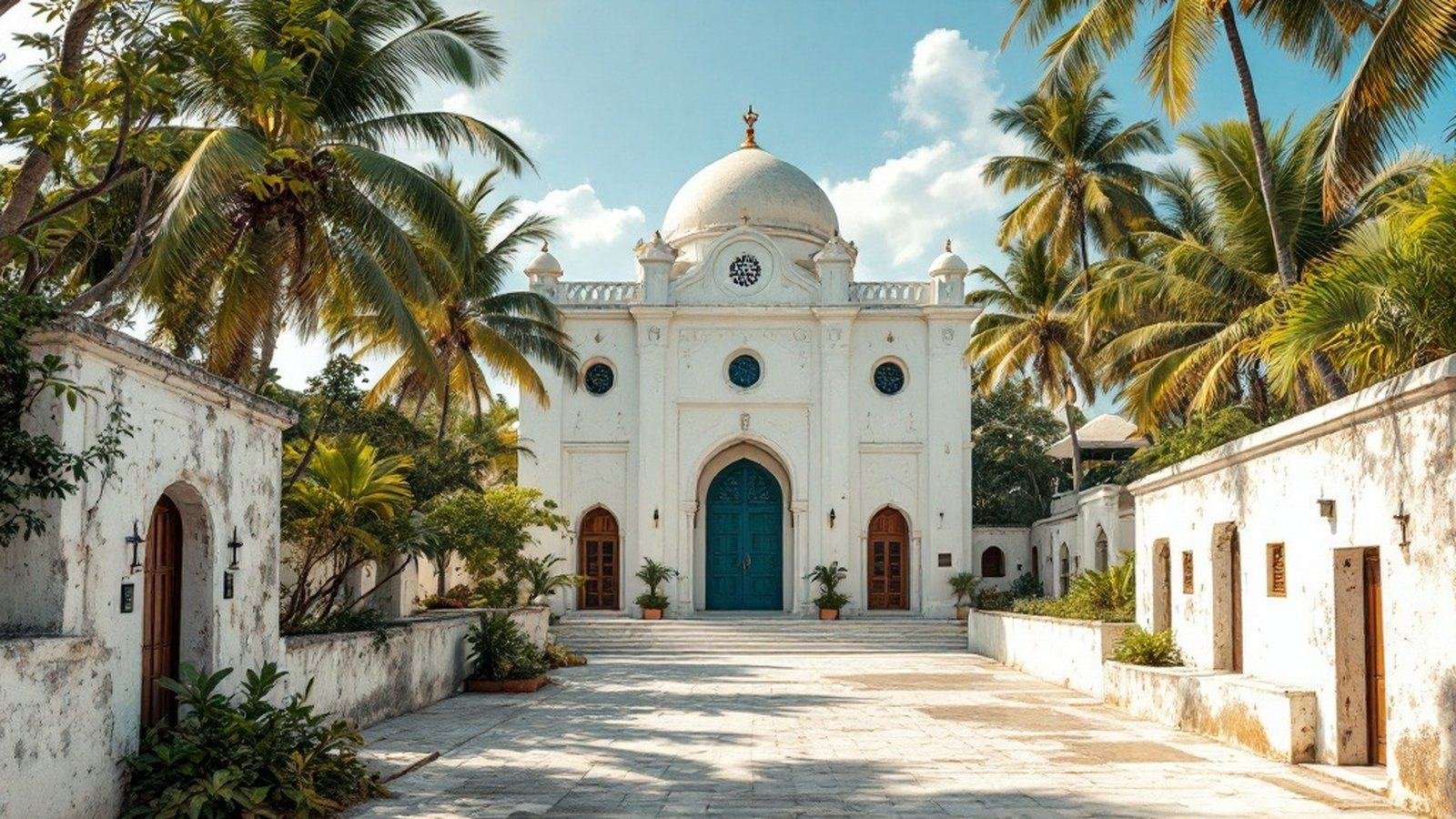
The Stone That Builds, the Stone That Endures
Everyone who visits Malé seeks out Hukuru Miskiy, the seventeenth-century Friday mosque on the waterfront, and rightly so. Its walls of carved coral limestone, its lacquered wooden screens, and its Arabic and Thaana inscriptions are genuinely magnificent. But Hukuru Miskiy can draw a crowd, and the quality of encounter that a mosque deserves — quiet, attentive, respectful — is easier to find elsewhere. The Maldives holds dozens of old coral-stone mosques scattered across its atolls, many of them centuries old and almost unknown to visitors. A few, in particular, reward the effort to reach them.
Isdhoo and the Oldest Standing Mosque
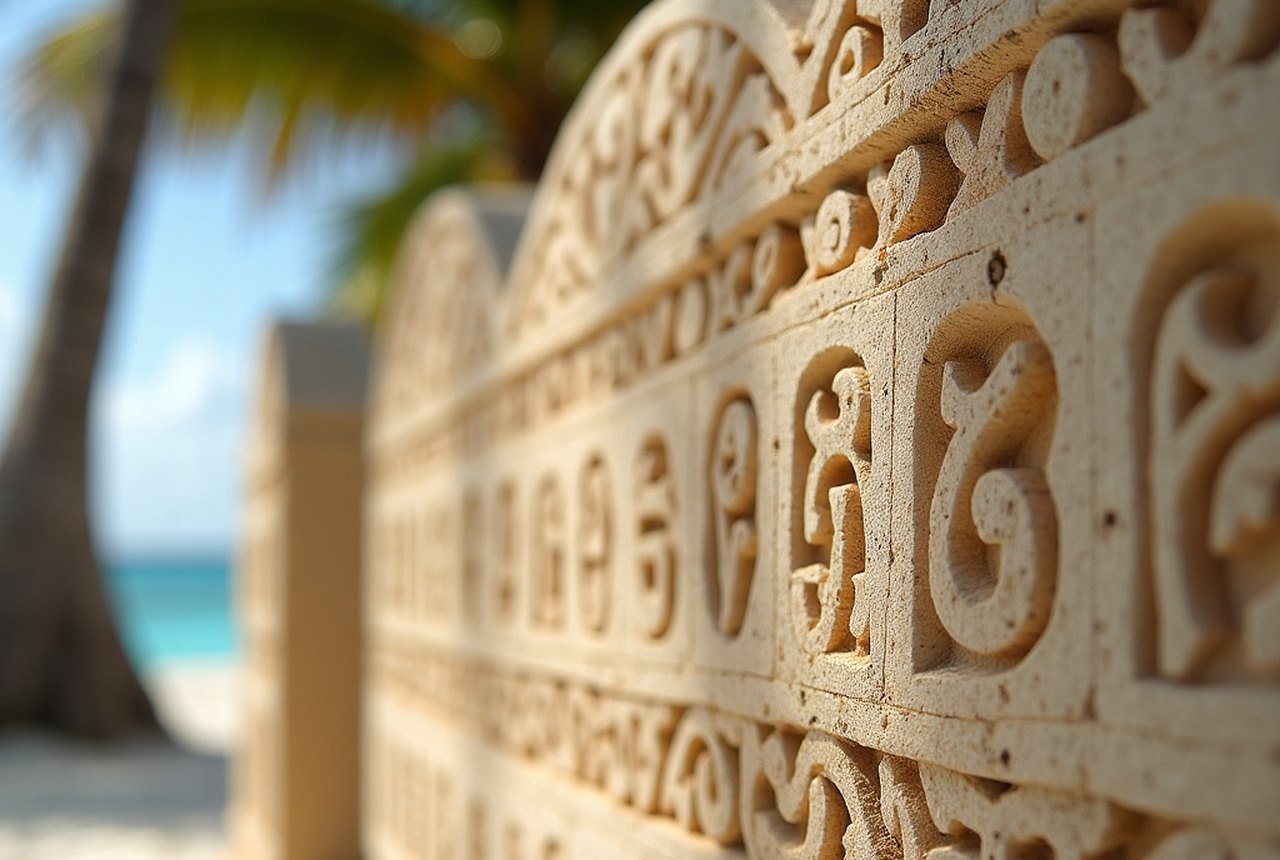
On Laamu Atoll, the small island of Isdhoo holds what is considered the oldest coral-stone mosque in the Maldives, believed to date to at least the twelfth century — placing its foundation not long after the islands' conversion to Islam in 1153 CE, a conversion traditionally attributed to the Moroccan scholar Abu al-Barakat. The mosque is a low, unassuming structure, its walls worn smooth by centuries of salt air. Beside it stands an ancient cemetery whose tombstones are among the finest surviving examples of Maldivian coral-stone carving: geometric interlace, floral scrollwork, and inscriptions in old Thaana cut with extraordinary delicacy into the pale reef stone. Isdhoo is not a resort island; reaching it means taking a domestic flight to Kadhdhoo and then a boat transfer, but the reward is a living encounter with Maldivian Islamic history at its deepest roots.
Nearby on the same atoll, the island of Dhanbidhoo has its own historic mosque and carved tombstones that form a related chapter in this lapidary tradition. The two islands together make a coherent half-day of exploration for anyone already in Laamu.
Utheemu and the Mosque of a Liberator
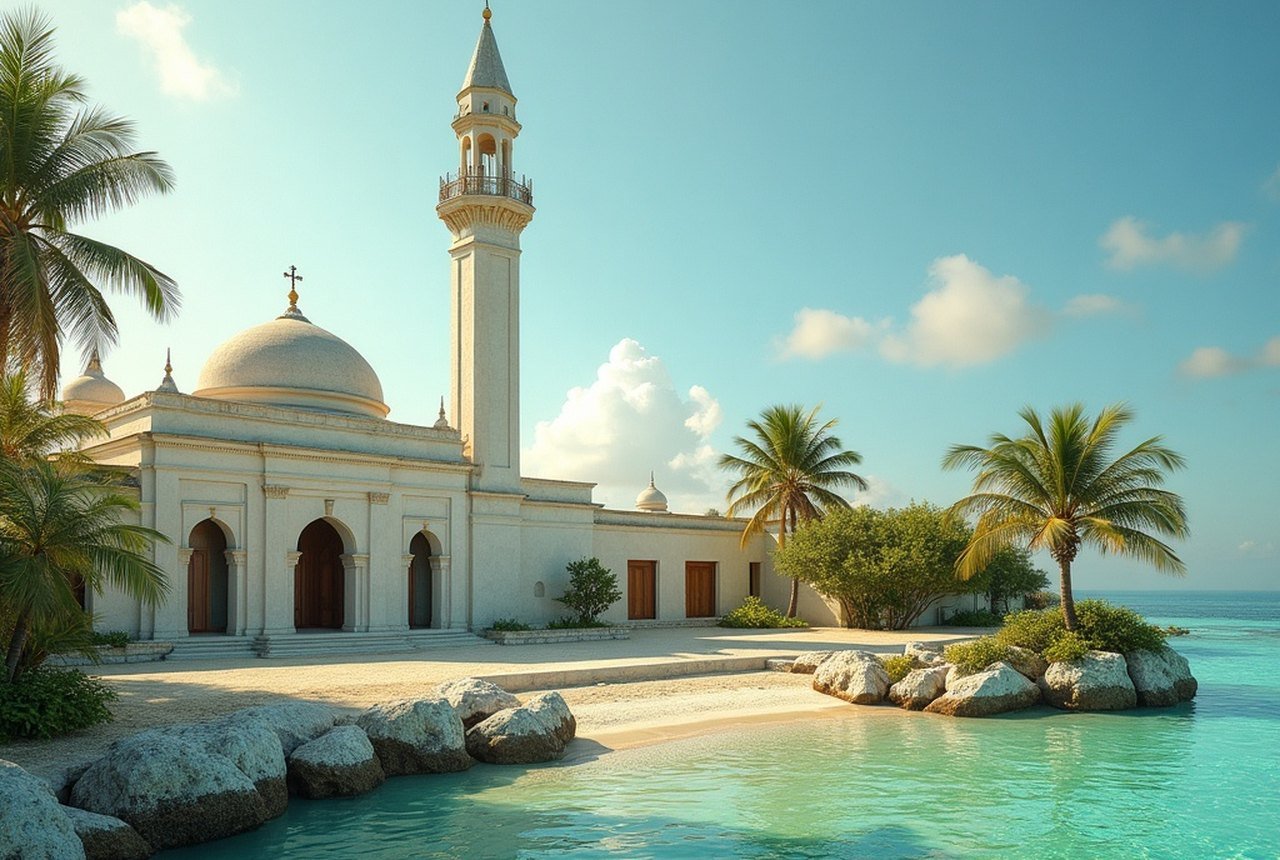
North in Haa Alif Atoll, the island of Utheemu is famous as the birthplace of Sultan Mohamed Thakurufaanu, the national hero who led the liberation of the Maldives from Portuguese occupation in the sixteenth century. Most visitors come to see his ancestral home, Utheemu Ganduvaru, a beautifully preserved wooden palace beside the lagoon. But the island's mosque deserves equal attention. Small, coral-built, and shaded by mature trees, it stands in the same preserved historic district as the palace and carries the same atmosphere of extraordinary, unhurried continuity. Friday prayers have been said on this island without interruption for longer than most European nations have existed in their current form. Visit in the late afternoon, when the light softens and the call to prayer travels cleanly across the water.
Mahibadhoo and the Craft of Devotion
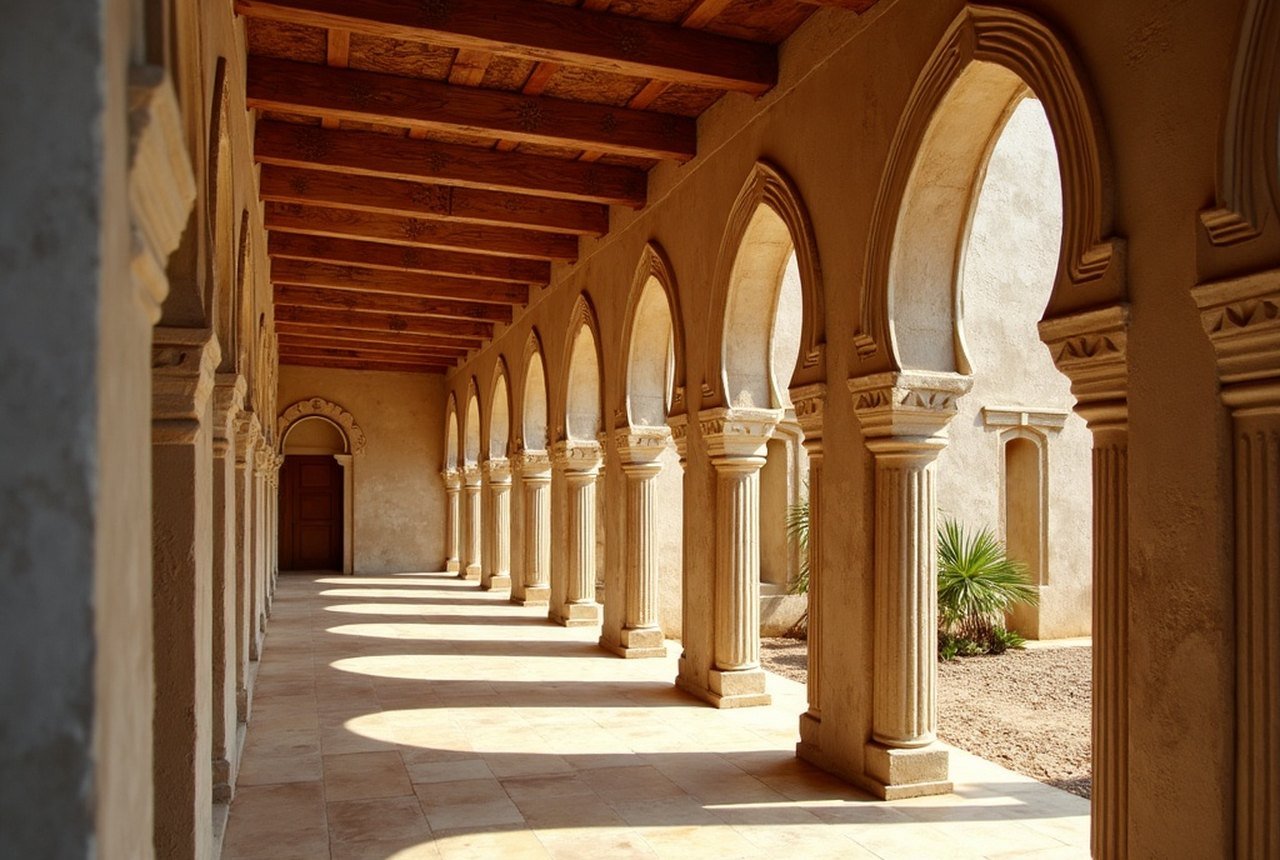
In Alif Dhaal Atoll, the island of Mahibadhoo — the atoll capital — holds a coral-stone mosque whose interior woodwork illustrates how tightly Islamic devotion and traditional Maldivian craft were once bound together. Lacquerwork panels, carved lintels, and joinery executed without nails or adhesive were all expressions of the same piety that raised the walls. Mahibadhoo is accessible by scheduled ferry from Malé, making it one of the more practical stops on any island cultural itinerary. The atoll is also a centre of traditional boat-building, so a visit pairs naturally with watching a dhoni take shape on the beach.
- 1153 CEMaldives converts to Islam; Abu al-Barakat credited with the conversion
- 16th centurySultan Mohamed Thakurufaanu leads liberation from Portuguese occupation
- 17th centuryHukuru Miskiy in Malé constructed (reference point for context)
How to Visit Well
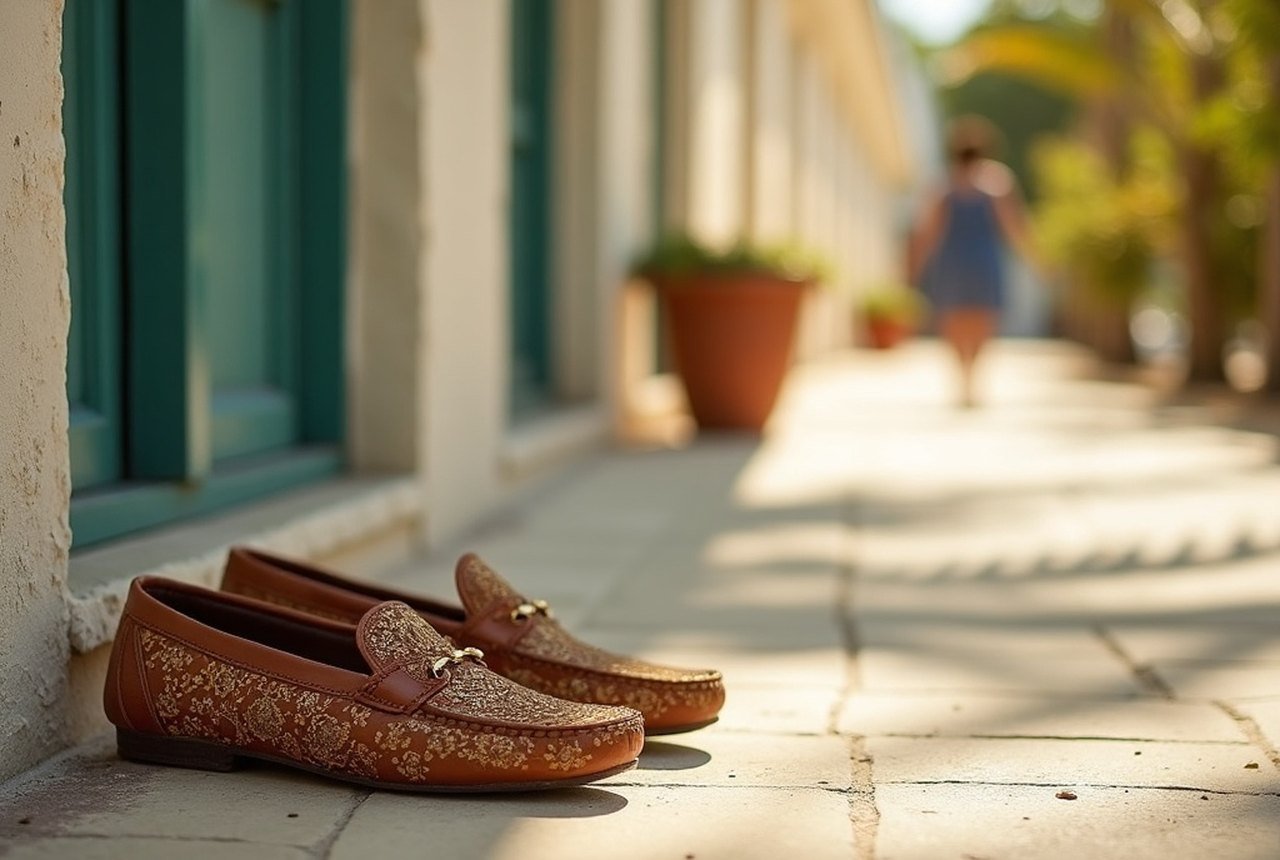
Mosques across the Maldives are active places of worship, not museum exhibits. Remove your shoes before the entrance. Dress modestly — shoulders and knees covered for both men and women. Non-Muslims are generally welcome to view the exterior and, on many islands, the interior when prayers are not in progress, but ask locally and follow any guidance given without argument. Photography inside is a matter of discretion and permission, not assumption. Speak quietly. These buildings have been receiving the faithful for eight or nine centuries; the appropriate posture for a visitor is gratitude for being admitted to that long conversation, not the brisk efficiency of a checklist traveller.
The coral-stone mosques of the outer islands survive because communities have cared for them. The best thing a curious visitor can bring is the same quality of care.