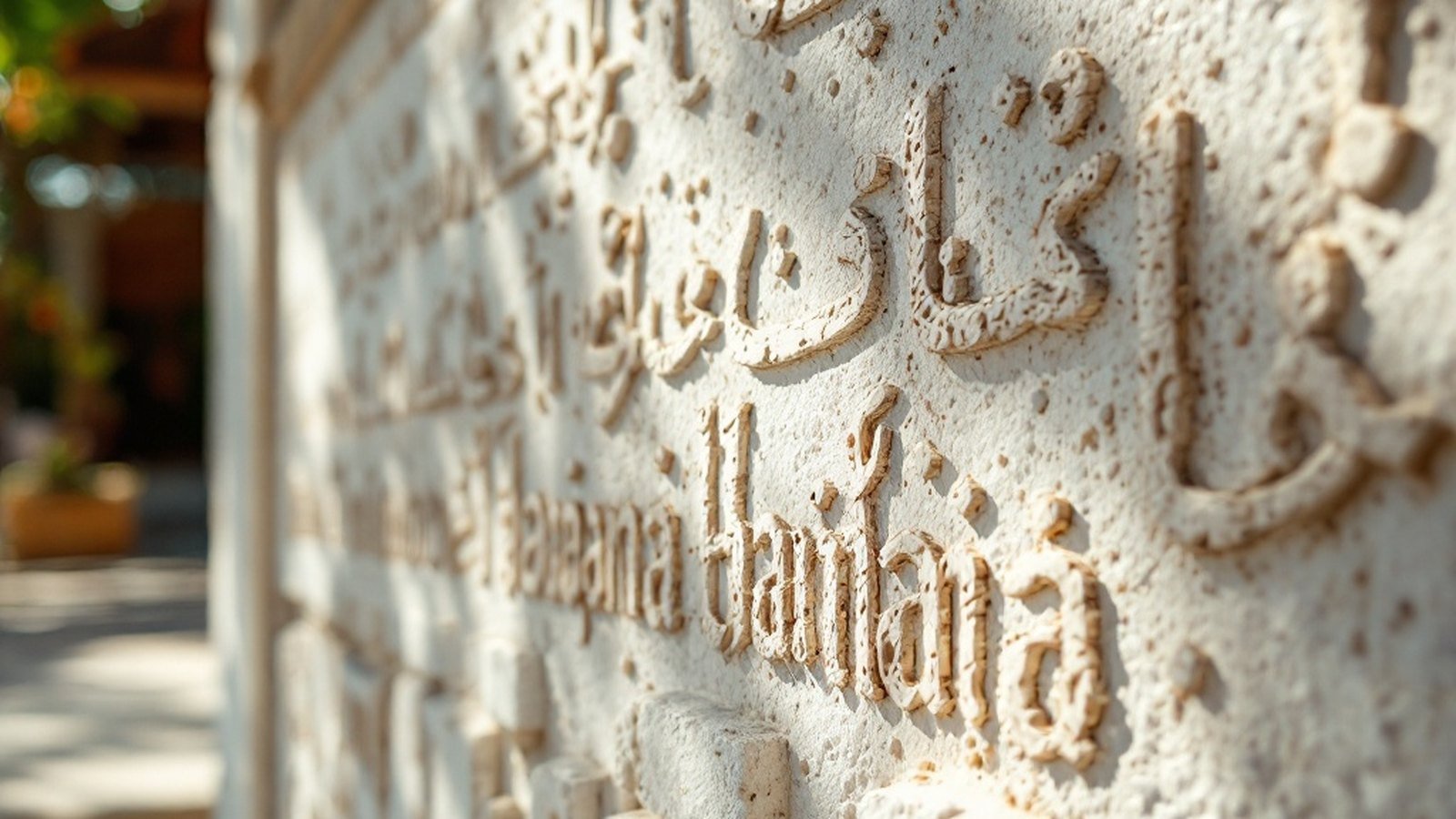
An Island Language, Built from Many Seas
Dhivehi is the native language of the Maldivian people, and it belongs, at its core, to the Indo-Aryan branch of the Indo-European family — a distant cousin of Sinhala and, further back, Sanskrit. That ancestry shows up in its grammar and in a core vocabulary that has survived millennia of ocean isolation. But isolation in the Indian Ocean was never truly isolation: Arab traders, South Indian merchants, and East African sailors all passed through, and the language absorbed them all, quietly and without apology.
The most decisive outside influence arrived with Islam in the twelfth century. Arabic flooded into Dhivehi through prayer, scholarship, and daily religious practice, and it never left. Today, a Maldivian talking about faith, law, or the calendar reaches almost reflexively for Arabic-rooted words. Persian came too, carried in on the same Islamic tide, adding a further layer to a lexicon that already held Indic, Dravidian, and even some Portuguese traces from the colonial era. The result is a language that sounds, to an outside ear, unlike anything else — melodic and compact, with a rhythm the atolls seem to have pressed into it over centuries.
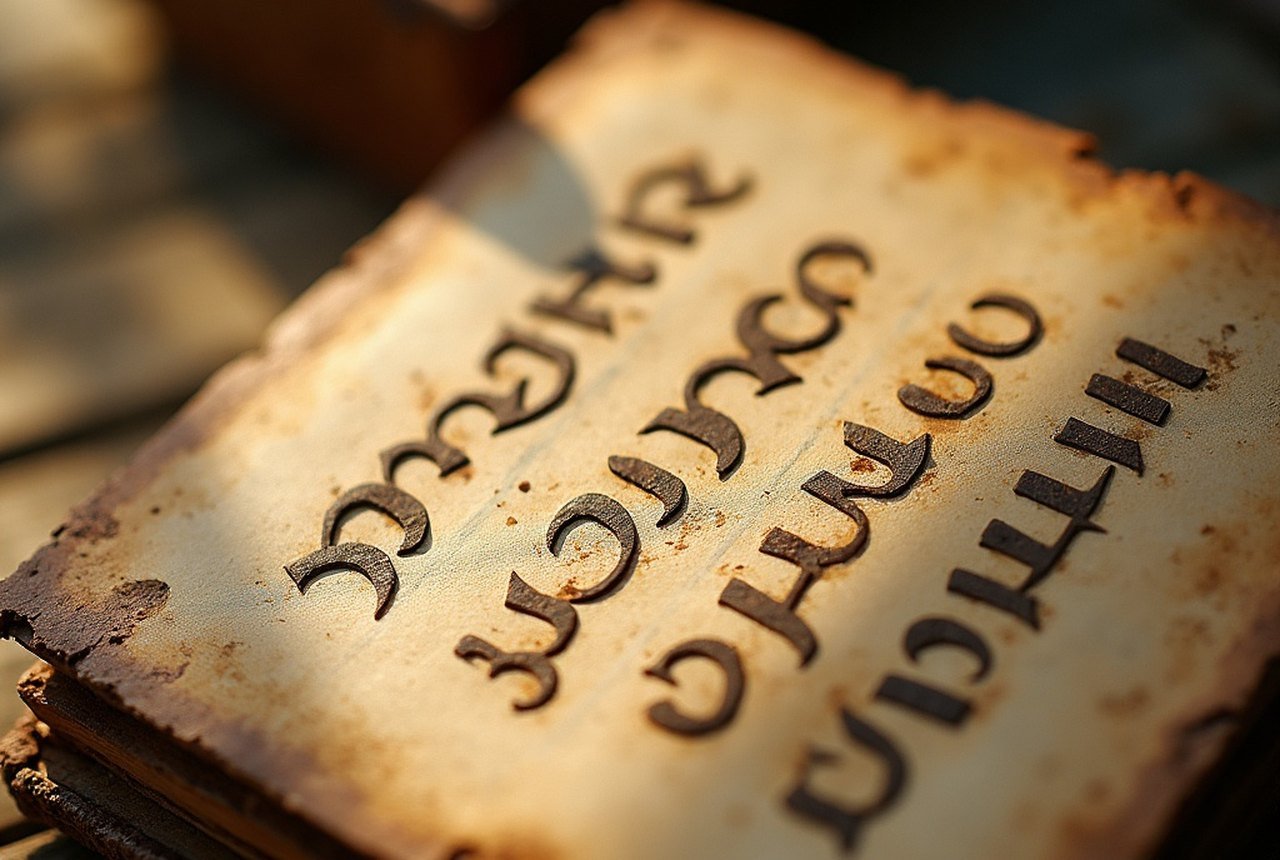
What Thaana Was Built to Do
Thaana, the script used to write Dhivehi, is not borrowed. It did not arrive with a religion or a conquering power; it was devised specifically for this language, and that specificity shows in every line of it. The script reads right to left — the direction of Arabic — but its letterforms derive from an entirely different source. The first nine consonants are drawn from Arabic numerals; the next nine come from the numerals of the Maldives' own pre-modern accounting system. Later letters in the alphabet incorporate forms borrowed from Arabic and Persian, accommodating the sounds those languages introduced into everyday Dhivehi speech.
What makes Thaana particularly elegant is its vowel system. Every consonant carries a mandatory vowel diacritic — a small mark placed above or below the letter — so there is no ambiguity in reading. Unlike Arabic, where short vowels are often omitted in everyday text and the reader supplies them from context, Thaana always shows you exactly what is being said. This is partly a reflection of Dhivehi's phonological structure, in which vowel sounds carry real distinctions that cannot safely be left to guesswork. The script and the language are, in this sense, precisely matched.
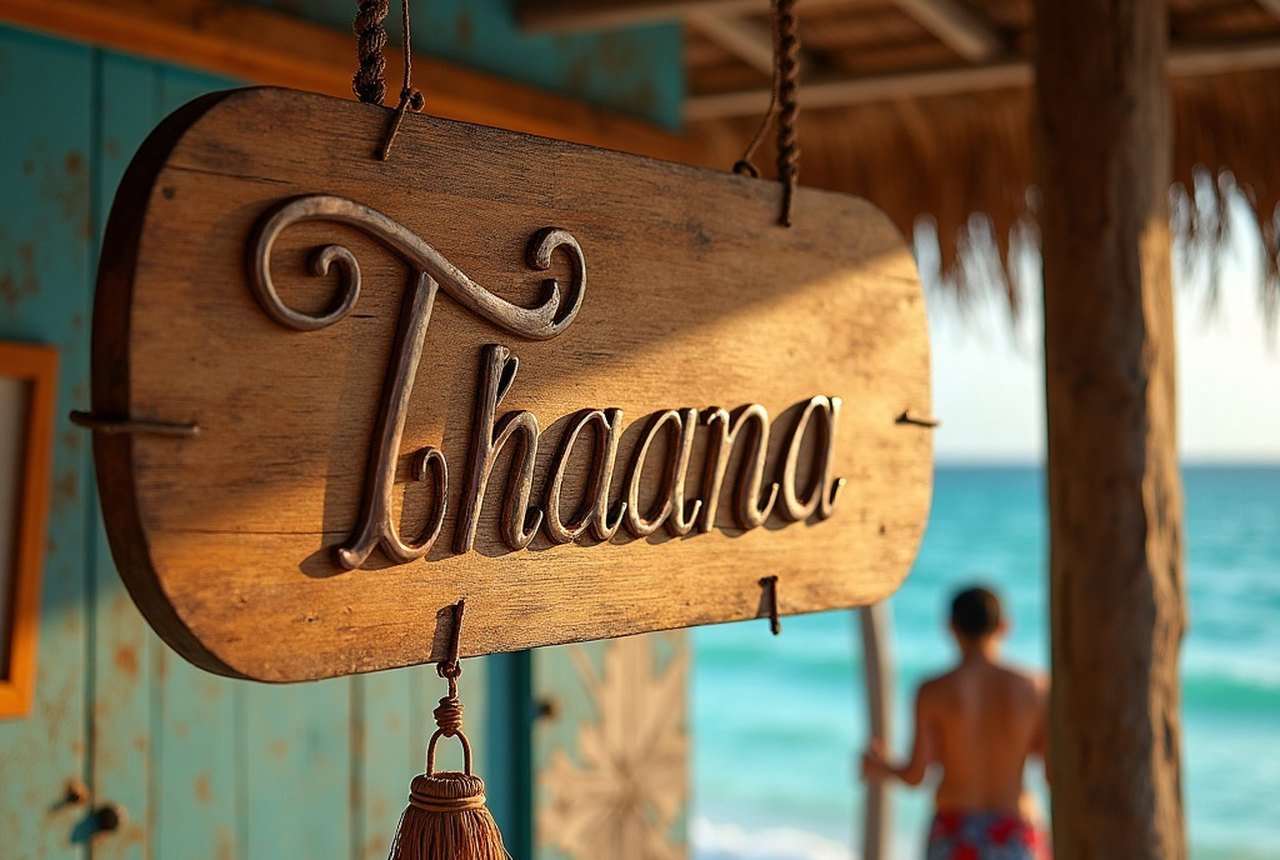
Dialects, Distance, and the Written Standard
Dhivehi is not monolithic. Spoken across more than two hundred inhabited islands spread across roughly nine hundred kilometres of ocean, it has developed distinct regional dialects — some mutually intelligible with the Malé standard, others noticeably different in vocabulary and pronunciation. The dialect spoken on Addu Atoll, the southernmost cluster, diverges enough that northerners can find it genuinely challenging to follow at speed. Isdhoo, a small island in Laamu Atoll, is noted among linguists for preserving archaic forms of the language that have vanished elsewhere.
Written Dhivehi, however, is standardised — anchored to the educated register of Malé and written in Thaana across official documents, literature, journalism, and signage throughout the islands. That standardisation is relatively recent; for most of Maldivian history, the script and its conventions varied enough between islands and eras that older manuscripts require specialist knowledge to read.
A Living Script in a Digital Age
Thaana is now encoded in Unicode, which means Dhivehi can travel freely across phones, websites, and social media without workarounds. The National Museum in Malé holds manuscripts and carved coral inscriptions that show how the script has evolved — from the angular, densely carved Thaana of old mosque panels to the clean digital typefaces on a screen today. The language itself remains vigorous: Dhivehi is the medium of daily life, government, and culture for the Maldivian people, and Thaana is the shape it takes when it needs to be seen.
For a visitor willing to learn even a handful of letters, the rewards are immediate. Suddenly, the signs above teahouse doors and the inscriptions along mosque walls are no longer decoration — they are something said, in a voice that the ocean, and history, and a very particular script, have been refining for a very long time.