Where the Stories Live
Long before Thaana gave Dhivehi a written form, the Maldives ran on oral tradition. On inhabited islands far from Malé, stories moved the way cargo once did — by boat, from atoll to atoll, accumulating barnacles of local detail along the way. The same tale told on one island might arrive at the next with a different demon, a different fisherman, a different ending. That instability is not corruption; it is the genre's whole point.
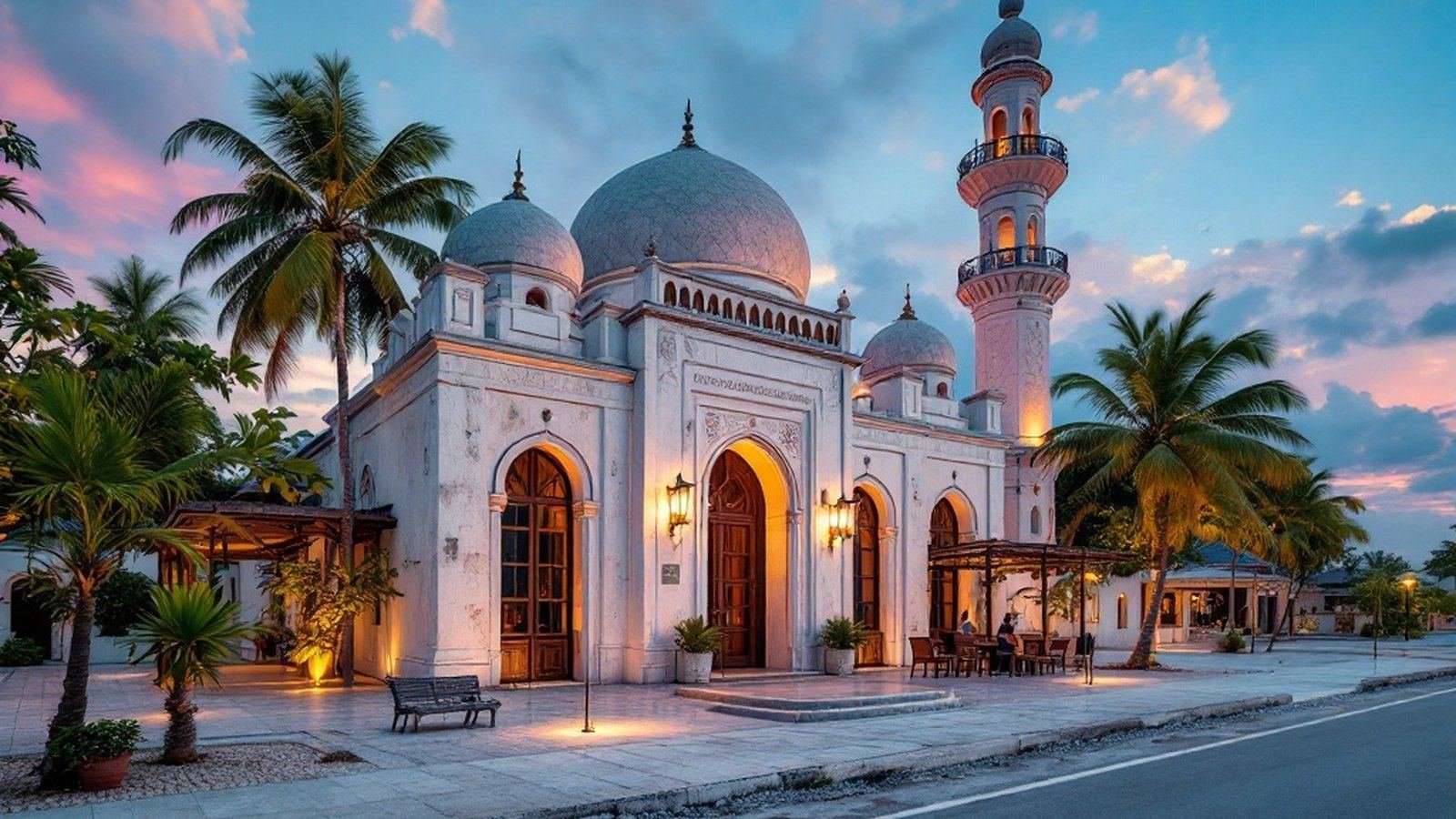
The most persistent figure in Maldivian folklore is the Rannamaari, a sea demon said to rise from the ocean and demand the sacrifice of a young woman, left alone overnight in the coral-stone mosque. The story of how a travelling Moroccan scholar — identified in later tellings with Abu al-Barakat — witnessed the ritual, spent the night in the girl's place, recited the Quran until dawn, and drove the demon away for good is woven directly into the archipelago's conversion narrative. Whether history or legend, the tale did real work: it explained Islam's arrival, gave it a dramatic villain to vanquish, and made the faith feel like a rescue rather than an imposition.
Other tales are quieter and stranger. There are stories of jinni inhabiting uninhabited islands — and in the Maldives, most islands are uninhabited, which gives the folklore a geographical logic. Sailors who made landfall on the wrong island after dark could find themselves hosted, tricked, or simply erased by forces that left no trace by morning. Fishermen passing certain reefs still lower their voices, a habit that outlasts belief. The practice of fandita — traditional sorcery involving chants, written charms, and specific ritual objects — sits in a complicated truce with orthodox Sunni Islam, officially disapproved yet quietly consulted when medicine and prayer both fall short.
Then there are the founding stories: kings who arrived by ship from India or Sri Lanka, guided by signs, chosen by circumstance. King Koimala appears in several accounts as a ruler whose reign shaped the early Buddhist-era archipelago before conversion changed everything. These tales are not quite history and not quite myth — they occupy the productive middle ground that oral traditions always prefer.
What connects all of it is the sea. Every story enters by water, every demon comes from the deep, every hero sails somewhere. The ocean in Maldivian folklore is not backdrop. It is the plot.