
Where Islam and the Older World Overlap
The Maldives converted to Sunni Islam in 1153 CE, and the faith runs deep: the call to prayer shapes daily time, Friday prayers empty the markets, and no island feels far from its mosque. Yet Islam did not arrive into a vacuum, and it did not erase what came before. Beneath the formal religion lies a persistent layer of folk belief — not hidden, exactly, but not always named — in which jinn move through the landscape as naturally as the tide.
In Dhivehi oral tradition, jinn are not merely theological abstractions borrowed from the Quran. They are specific, local and embodied. They inhabit particular trees, particular stretches of reef, particular wells on particular islands. Elders will tell you which banyan to avoid after dusk, which path to the beach becomes unsafe once the sun is down, which old well once spoke to a woman who drew water alone at night. These are not ancient stories filed away under "folklore." On inhabited islands across the atolls, they are living warnings, passed between neighbours, offered to newcomers as practical advice.
Rannamaari and the Spirits of the Sea
The most famous figure in Maldivian spirit tradition is not a jinn in the strict theological sense, but the Rannamaari — a sea demon said to emerge from the ocean to demand a human sacrifice from the islanders of Malé, until the Moroccan scholar Abu al-Barakat arrived in the twelfth century, converted the king, and drove the creature away. This origin story of Maldivian Islam is itself a spirit narrative: the demon is real within the tale, the danger physical, the resolution not military but spiritual. It tells you something about how the archipelago has always understood the relationship between faith and the unseen.
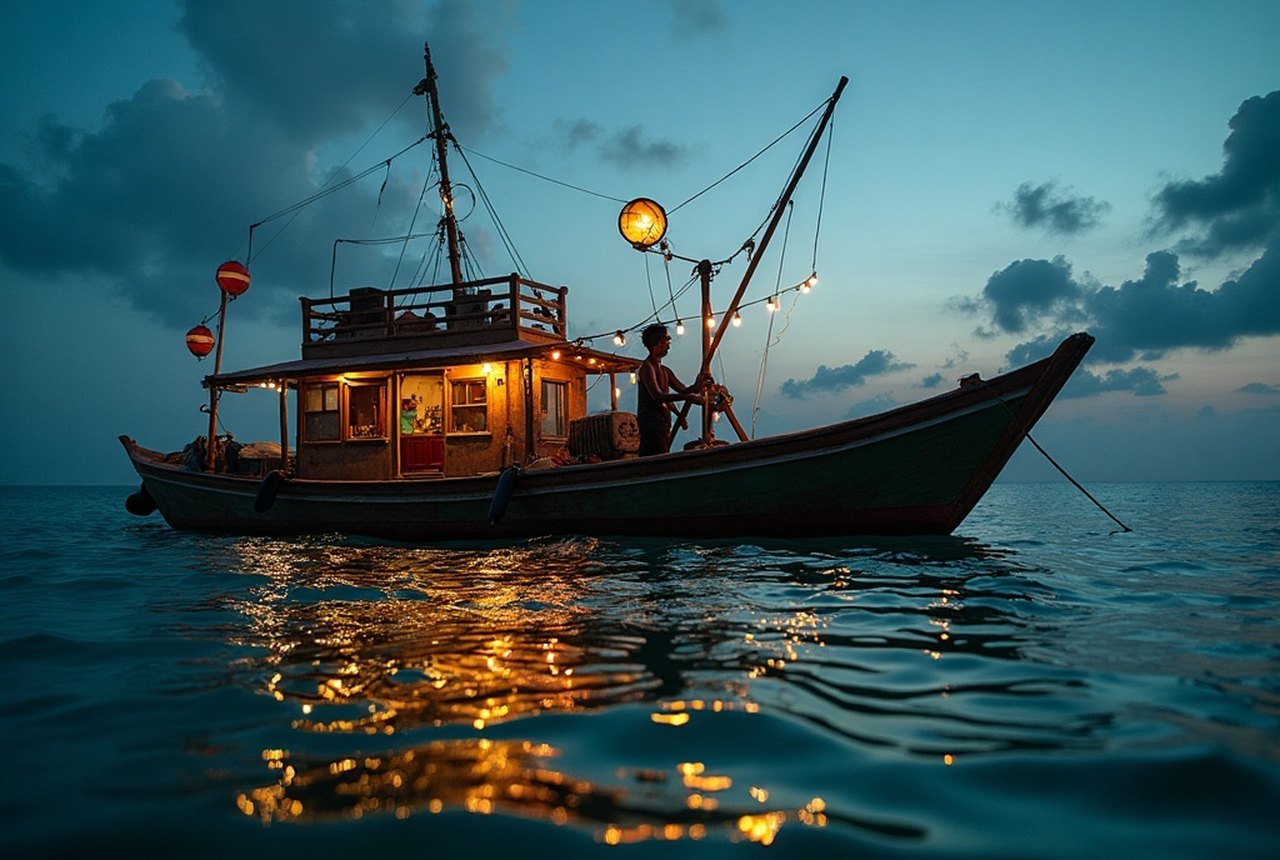
Jinn associated with the sea carry a different character from those tied to the land. Fishermen working before dawn speak of presences on the water — lights that are not boats, sounds that are not wind — and the response is typically prayer, not panic. The instinct is orthodox: seek protection in the name of God. But the experience described is unmistakably the older world persisting inside the new one.
Fandita: When the Spirits Are Called
Fandita — traditional Maldivian sorcery — is where folk belief becomes practice. A fandita practitioner can, in the Dhivehi understanding, call on jinn, bind them, or use their influence to heal, harm or divine. The practice is officially discouraged and sits in complex tension with Islamic law. It is also quietly persistent.
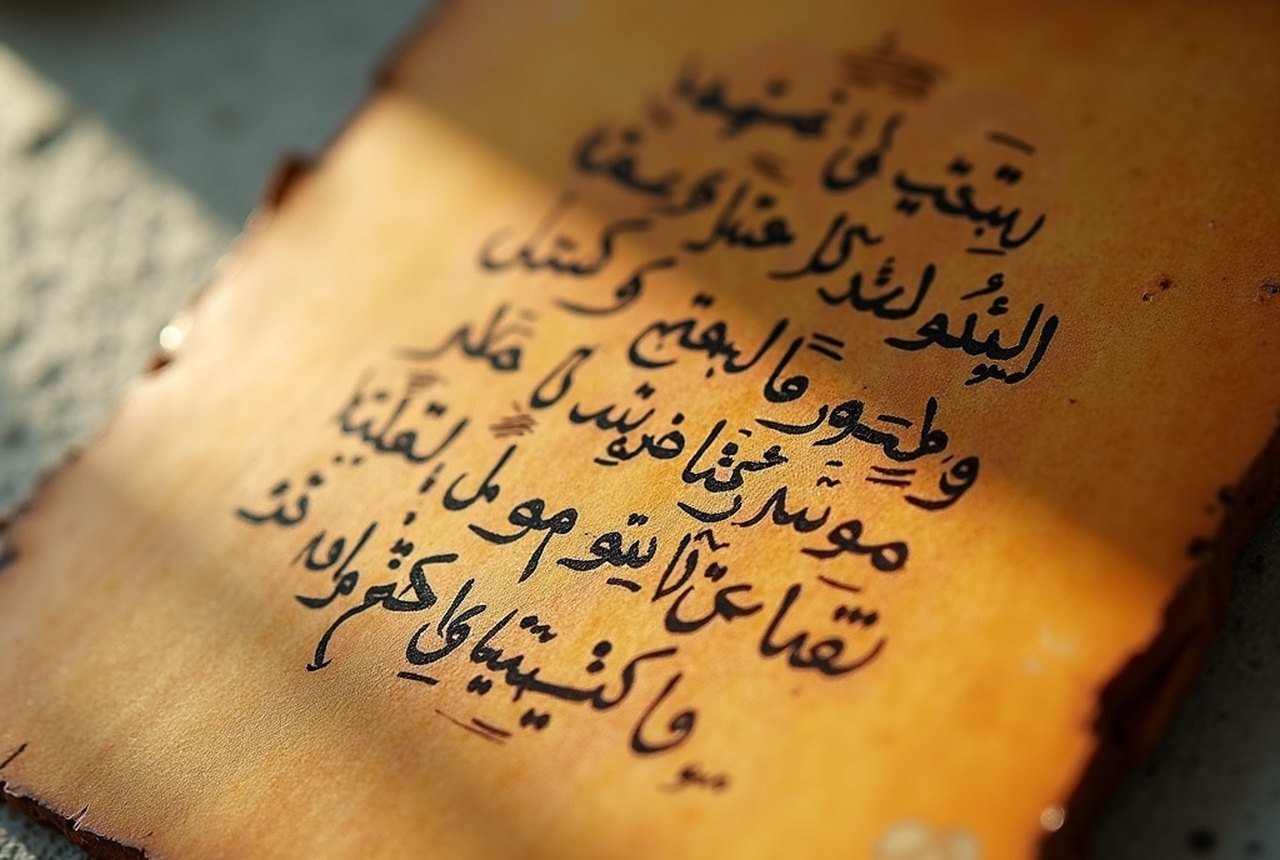
Requests for fandita tend to cluster around the anxieties of island life: illness that does not respond to medicine, a marriage under strain, a fishing season that has gone badly, a neighbour suspected of malice. The practitioner — once called a fanditaveriya — works with spoken formulas, written charms and sometimes material objects, operating at the junction between the Quranic and the pre-Islamic. The written charms sometimes incorporate Thaana script, the unique right-to-left writing system of the Dhivehi language, a detail that makes visible just how thoroughly local spiritual practice has become intertwined with Maldivian identity.

- Pre-1153animist and folk-spirit traditions present across the archipelago
- 1153 CEconversion to Islam; Rannamaari origin story associated with Abu al-Barakat's arrival
- Presentfandita practice persists across atolls in tension with orthodox Islamic teaching
The Shape of Belief Today
Attitudes vary sharply by generation and by island. In Malé, university-educated residents may discuss jinn belief with the slightly distanced tone of people describing something their grandparents took seriously. On smaller inhabited islands further from the capital, the stories carry more immediate weight. Neither position is the "real" Maldives — both are.
What remains consistent is that the jinn of the Maldivian imagination are not generic. They are topographic. They belong to this reef, this well, this stretch of mangrove on this island in this atoll. In a country defined by the specificity of its geography — hundreds of distinct coral islands, each with its own character and history — it is perhaps unsurprising that the spirit world is equally precise. The archipelago does not do vague. Even the invisible, here, has an address.