
Where the Oral Tradition Lives
Every inhabited island in the Maldives carries its own micro-history, its particular saints and scandals, but a shared thread of folklore runs through the whole archipelago. These beliefs predate written records and have been reshaped by every generation that passed them on — which is precisely why they endure. Oral tradition thrives here not because islanders lack education, but because the stories carry a kind of truth that documented history cannot always hold. They encode anxieties, explain abundance, and make sense of a geography that is, by any rational measure, precarious: a nation of coral islands barely above sea level, scattered across the Indian Ocean, with no inland and no high ground.
The formal framework of Sunni Islam, which has governed Maldivian life since the twelfth century, did not erase these older layers. It absorbed them, pressed them down, left them simmering. What remains is a living folklore that coexists quietly with Friday prayers and Quranic schooling — acknowledged in conversation, acted upon in private, seldom announced to outsiders.
Three Beliefs Worth Knowing
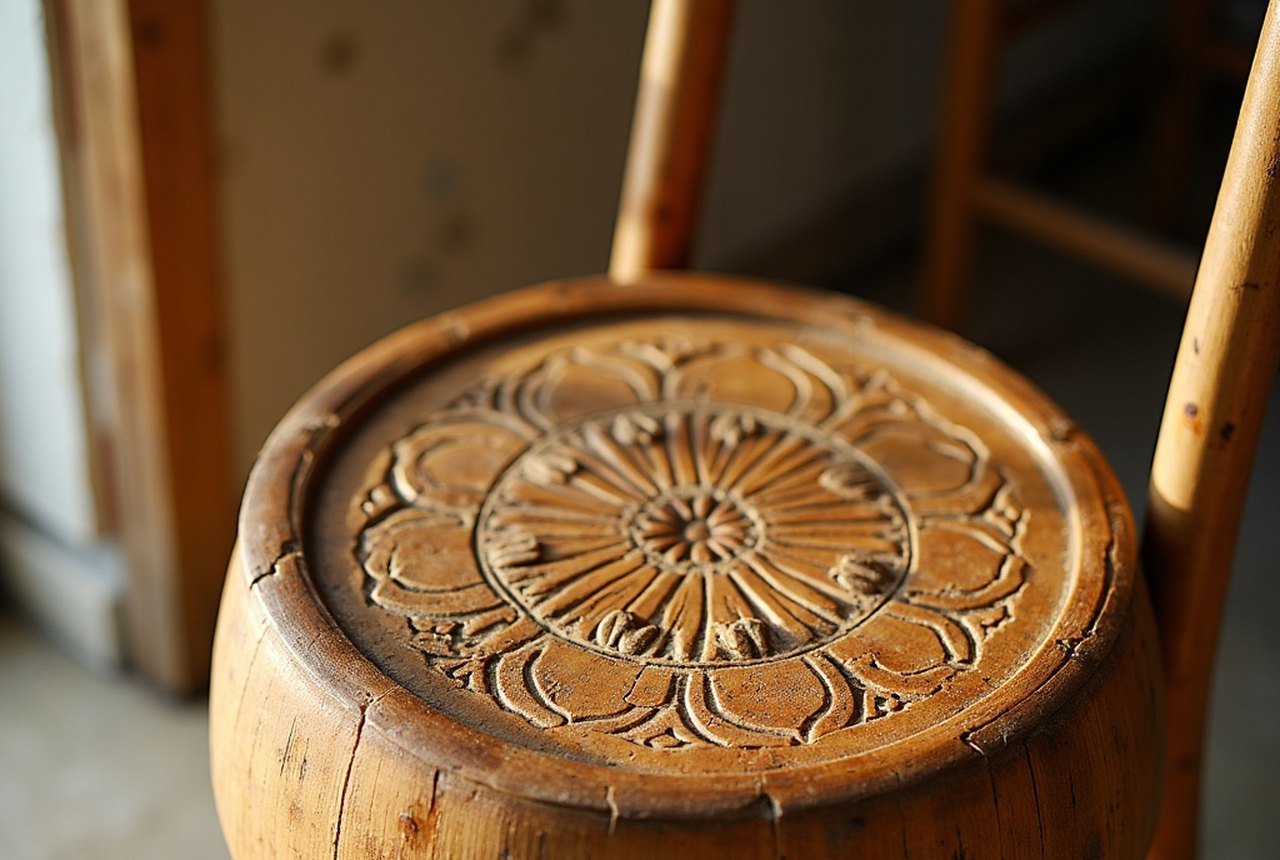
The coconut palm — kurumba in Dhivehi, and the national tree — stands at the heart of one of the oldest stories in the archipelago. According to tradition, the first palms were planted using the skulls of early inhabitants, and sorcery, fandita, was used to coax them into life. The tree has been considered sacred ever since, and on the outer atolls you will still meet people who treat the coconut as something more than food or building material. The hunigondi — the long-handled seat with its serrated blade, used to grate coconut — is itself an object with a near-ritual place in the domestic life of the islands. That the national tree should carry such a charged origin story is not incidental: the coconut is the substance of daily survival, and the story insists that survival was hard-won, even supernatural.
Tuna is the backbone of Maldivian cuisine and one of the country's most significant economic resources. Skipjack tuna shapes the national diet, and hikimas — the cured, smoked tuna used in broths and relishes — is as fundamental to the kitchen as the fish itself. But folklore holds that the abundance was not always there. The story tells of a legendary sailor who destroyed a magical tree, and with that act, the tuna schools moved permanently into these waters. Whether the tale records a real ecological shift, a founding myth of the fishing economy, or simply a sailor's boast grown large over generations, it speaks to how completely the sea defines Maldivian identity. The ocean is not backdrop here; it is protagonist, provider, and threat in equal measure.
The most sobering strand of Maldivian folklore is the oldest climate anxiety on record: the end of the islands. Prophets and storytellers in every era have predicted the archipelago's eventual disappearance beneath the ocean, swallowed by the sea that gives it life. Today that ancient fear has acquired a scientific vocabulary — rising sea levels, coral bleaching, storm surges — and what was once the province of village elders and oral tradition now features in United Nations reports and government policy. The continuity is striking. The fear is the same; only the evidence has changed.

Why They Refuse to Leave
These beliefs have survived centuries of trade routes, religious conversion, and the transformation of the outer atolls into one of the world's most visited luxury destinations because they are not, at their core, about coconuts or fish. They are about belonging, memory, and the permanent unease of a low-lying people living in intimate, daily negotiation with an enormous ocean. The Rannamaari — the mythical sea demon once said to demand human sacrifice from islanders — has no formal place in Islamic theology, yet the name is still known on every island. That persistence is not superstition. It is cultural memory doing what it has always done: keeping the real risks of island life legible, generation after generation.
Sit with an elder who recounts these stories and it becomes clear that folklore is not the opposite of history. It is often history's most honest form — unsanitised, unsummarised, alive in the telling.