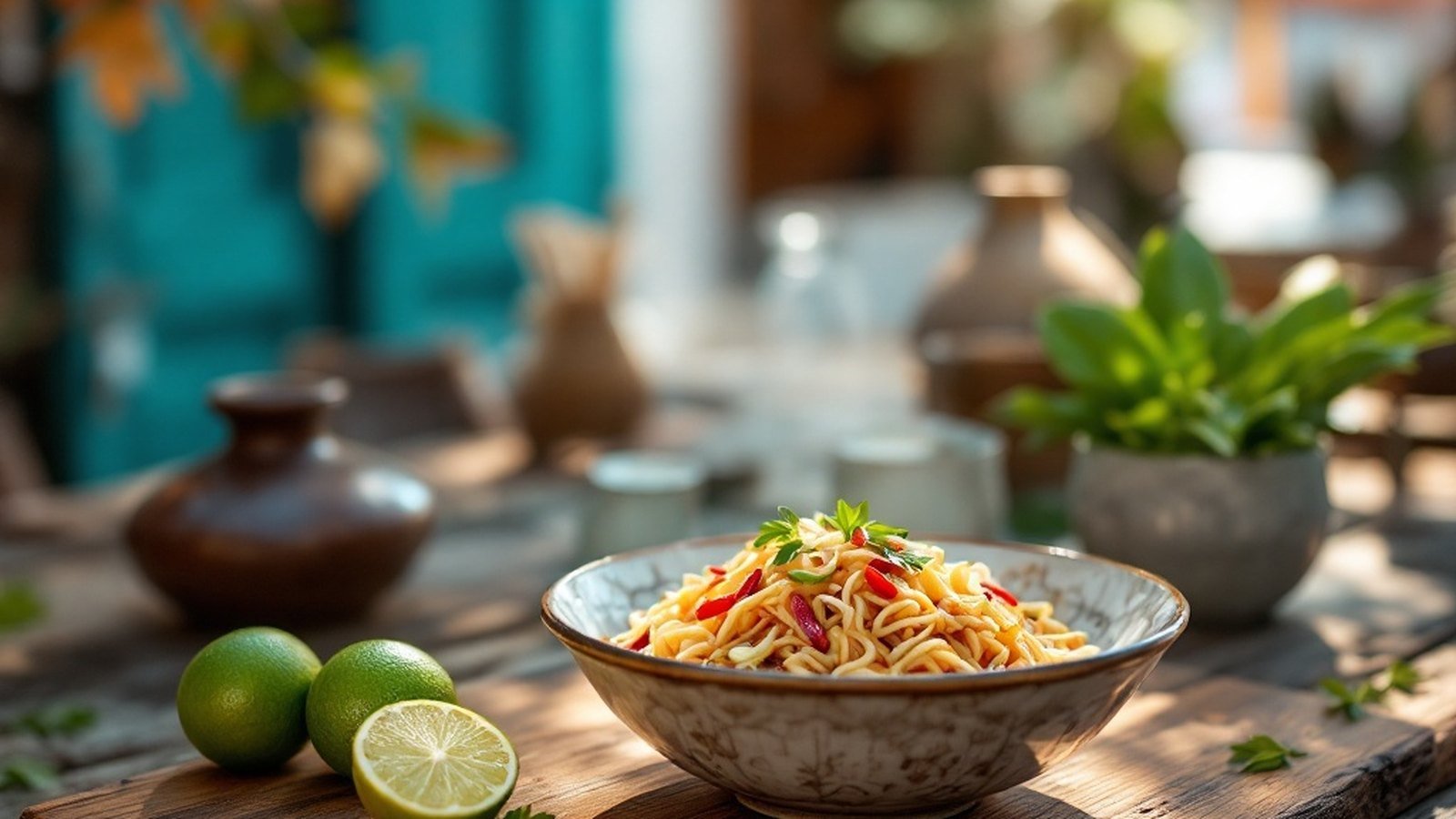
A Clear Broth, Enormous Depth
Strip away the resort menus and the imported pasta, and what you find at the centre of Maldivian food culture is this: a pot of water, a piece of skipjack tuna, a pinch of salt, and time. Garudhiya is a clear fish broth — barely adorned, almost austere — yet it carries the full weight of an island civilisation built on the sea. To understand it is to understand why the Maldives eats the way it does.
The method has changed very little. Fresh skipjack is cut into thick steaks and simmered until the flesh surrenders its flavour entirely to the liquid around it. The broth is skimmed, strained and served — sometimes with a squeeze of lime, fresh chilli, shallots and a wedge of roshi, the unleavened flatbread that is garudhiya's constant companion. You eat it poured over rice, or you drink it straight from the bowl. Either way, the experience is one of concentrated honesty: the ocean, distilled.
The Fish Beneath Everything
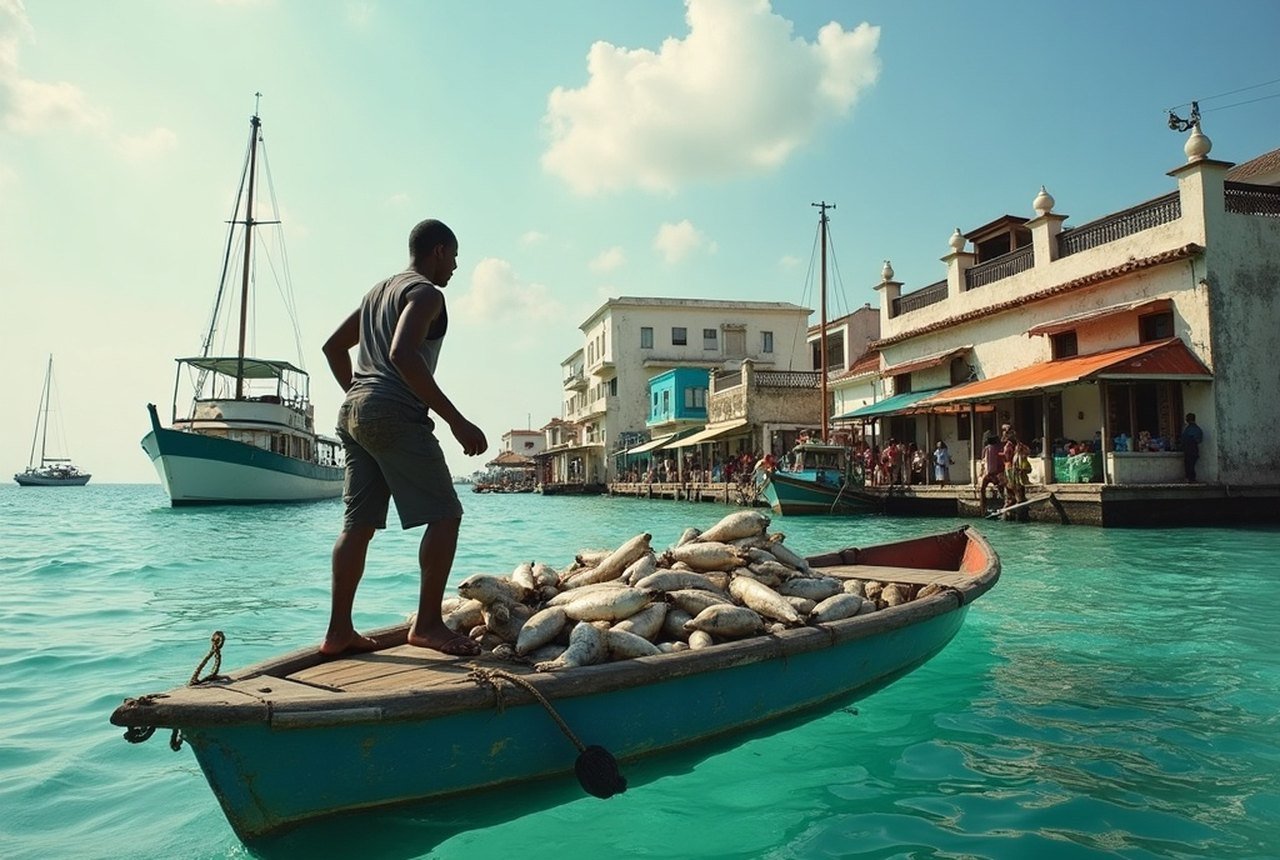
The skipjack tuna — kalhubilamas in Dhivehi — is not simply a Maldivian staple; it is the material fact on which the entire culture rests. Historically caught by pole-and-line fishing from a dhoni, the traditional wooden boat, tuna determined settlement patterns, trade routes, economic rhythms and ritual life across the archipelago. Garudhiya sits at the head of this food chain in the most literal sense: it is the baseline preparation from which nearly everything else derives.
Its close relative, hikimas — cured, smoked tuna dried to a hard, dark slab — adds depth to relishes and broths throughout the islands, and is itself a product of the same catch. Mas riha, the richer coconut-milk curry that many visitors encounter first, shares the same essential ingredient. But garudhiya predates the spice complexity of mas riha. It is older, plainer, and in many homes it remains the daily constant, the thing you make on a Tuesday when there is nothing elaborate planned and everything is right with the world.
At Every Table That Counts
Ask anyone from an inhabited island — away from the resort archipelago — what they ate growing up, and garudhiya will appear within the first sentence. It is school-day food, it is fishermen's food, it is the soup a mother makes when someone is unwell. In the atolls, where supply chains can be slow and imported goods expensive, its simplicity is also its virtue: you need only what the sea provides.
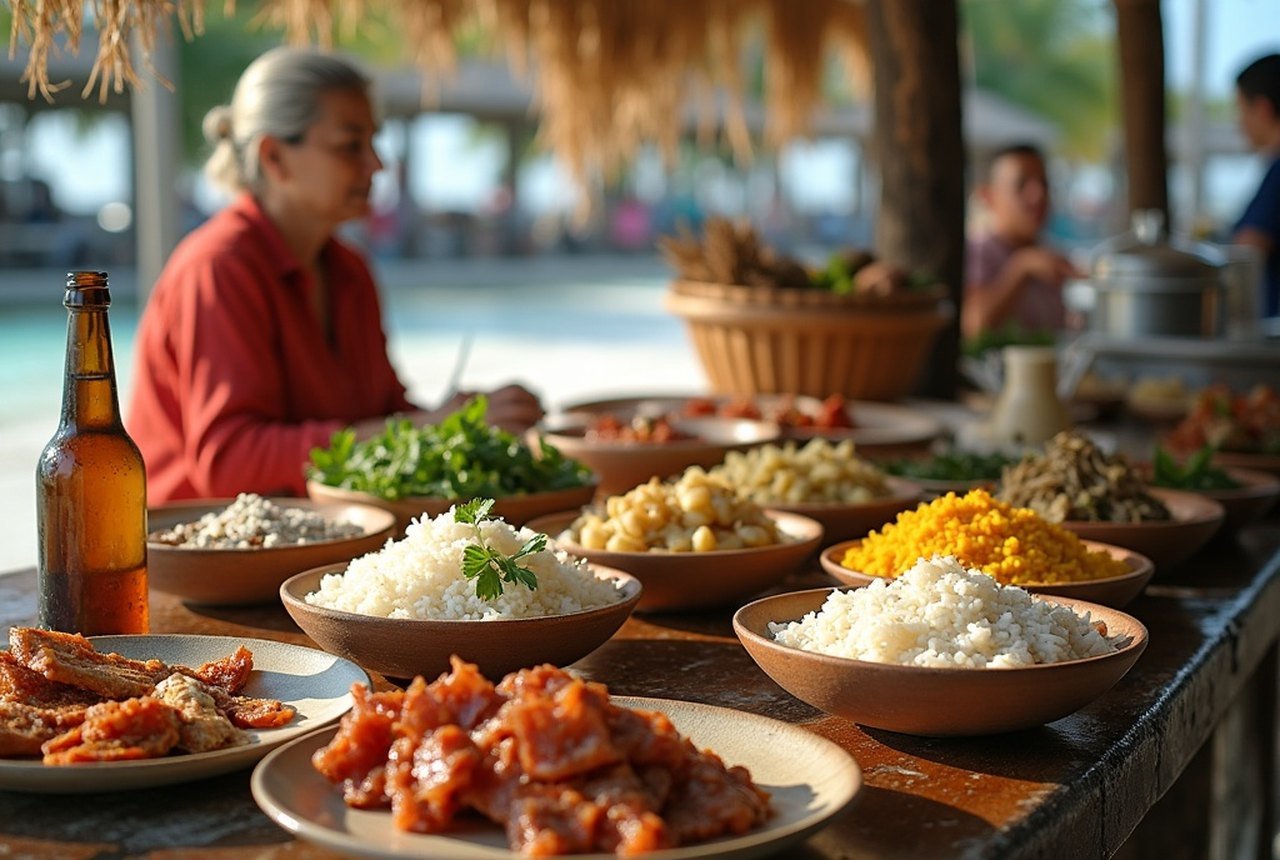
In Malé, the capital, you will find garudhiya at the local hotaa — the short-eats cafés that line the streets behind the waterfront — and at homes across the city, where it is frequently set out at lunch alongside rice, coconut chutney, and pickled tuna. The Irudhashu Hotaa and places like it keep it on the menu not as nostalgia but as necessity. It belongs there the way roshi belongs beside it: without question.
There is a ritual quality to the eating, too. The condiments are set out individually — lime, chilli, shallots, sometimes a little coconut oil — and each person adjusts the bowl to their own taste. The soup itself is neutral, generous, open to interpretation. That adaptability may explain why garudhiya has survived modernisation intact while flashier dishes have faded.
What the Broth Remembers
Maldivian culinary heritage is an oral tradition as much as a recipe collection. Measurements are gestures; timings are intuitions passed between hands in a small kitchen over a generation or two. Garudhiya carries that knowledge lightly. There is nothing in it that requires a written record, nothing that can be patented or scaled into irrelevance. It is simply what you make when the boat comes in.
The rest of the world has discovered tuna as a global commodity. The Maldives knew it first as a neighbour — and garudhiya is the oldest proof of that relationship.